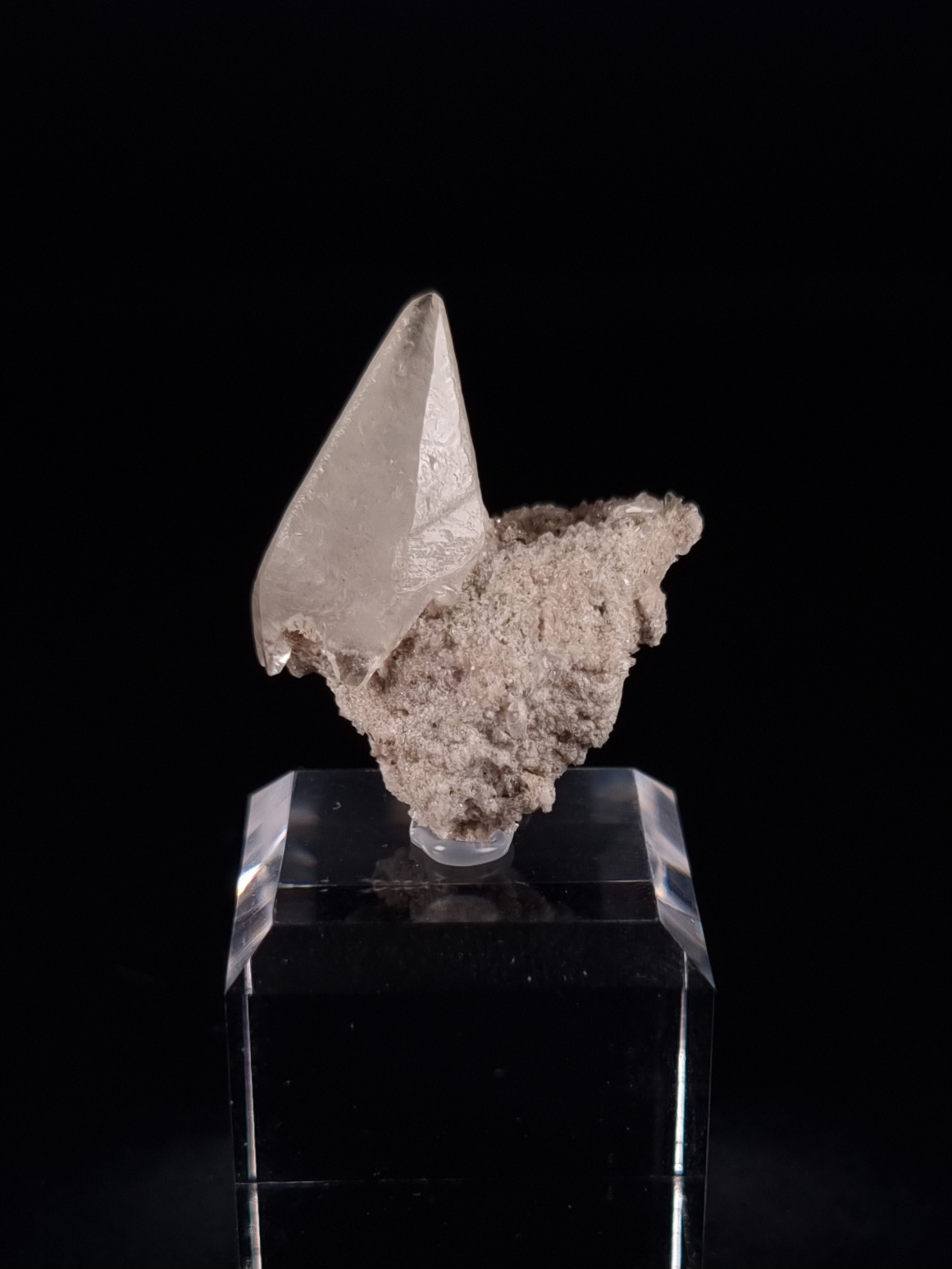
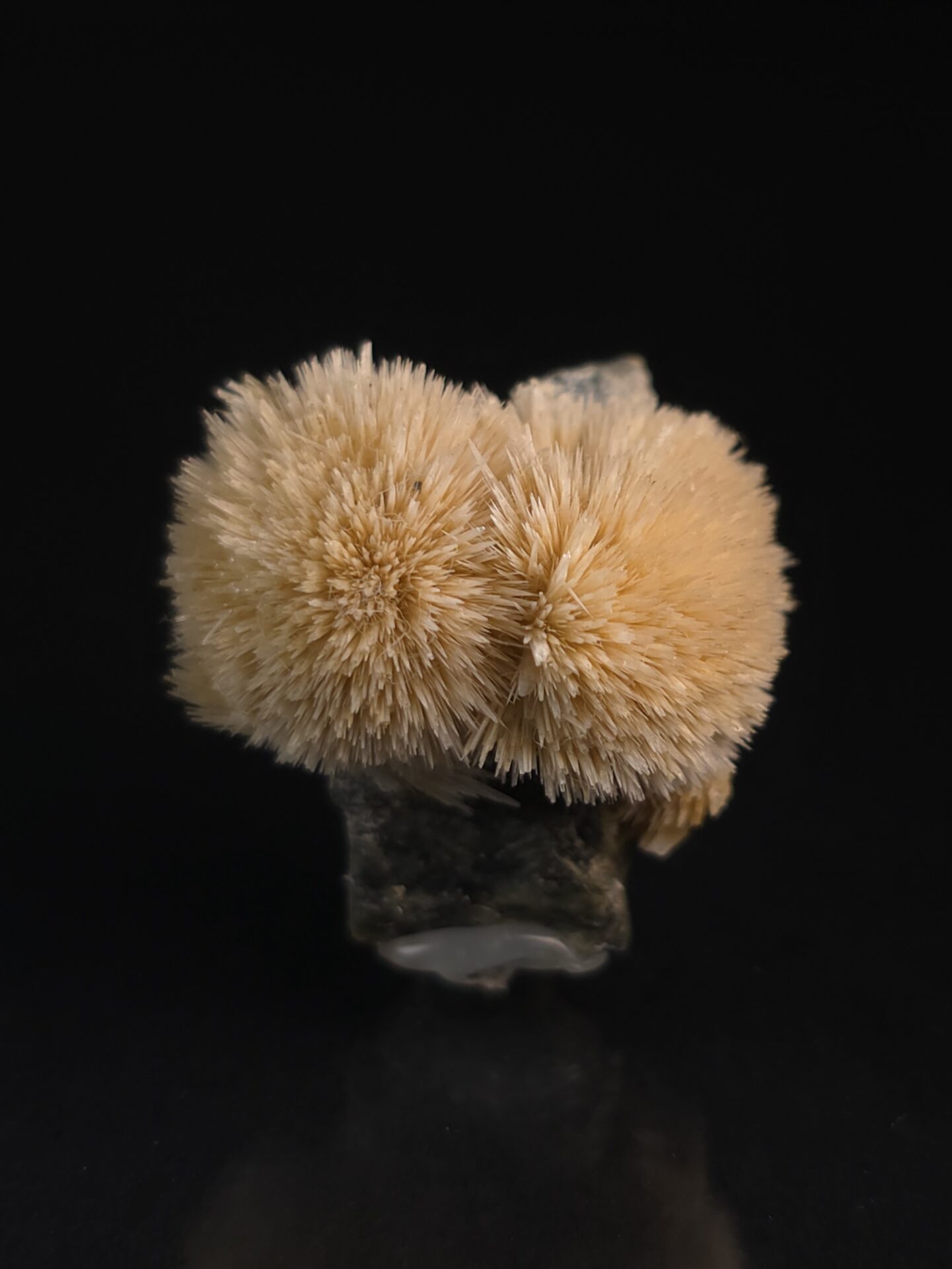
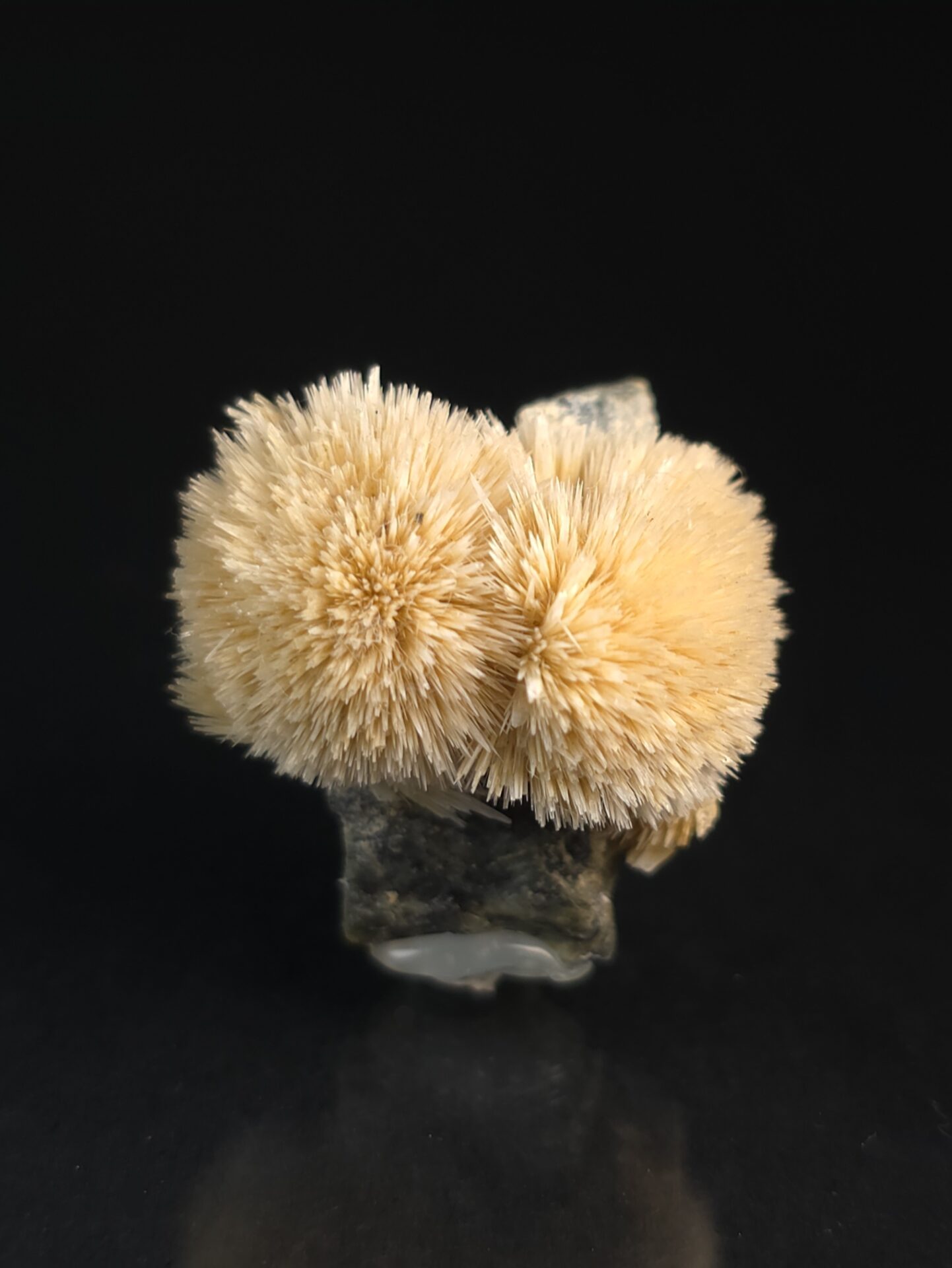
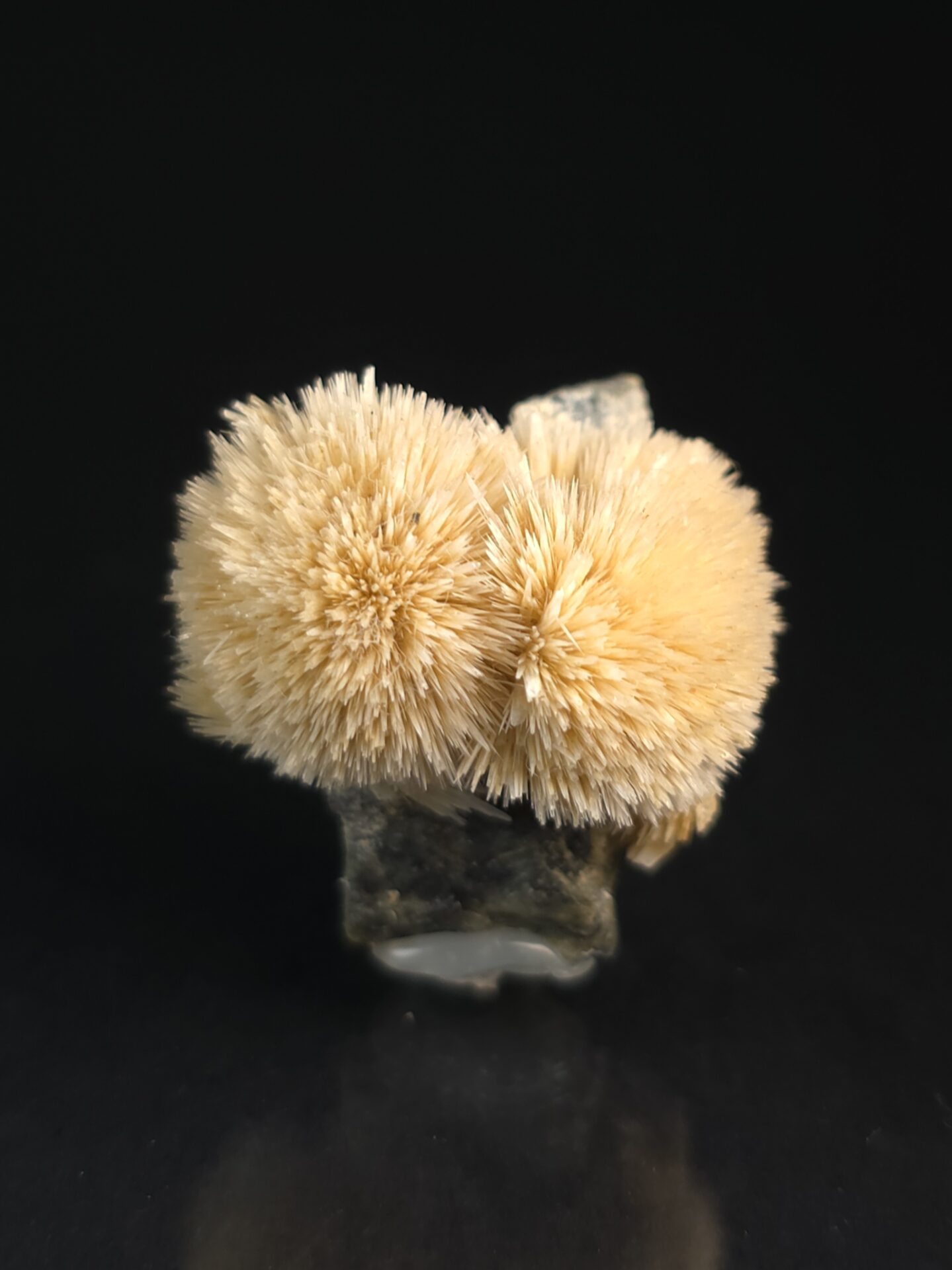
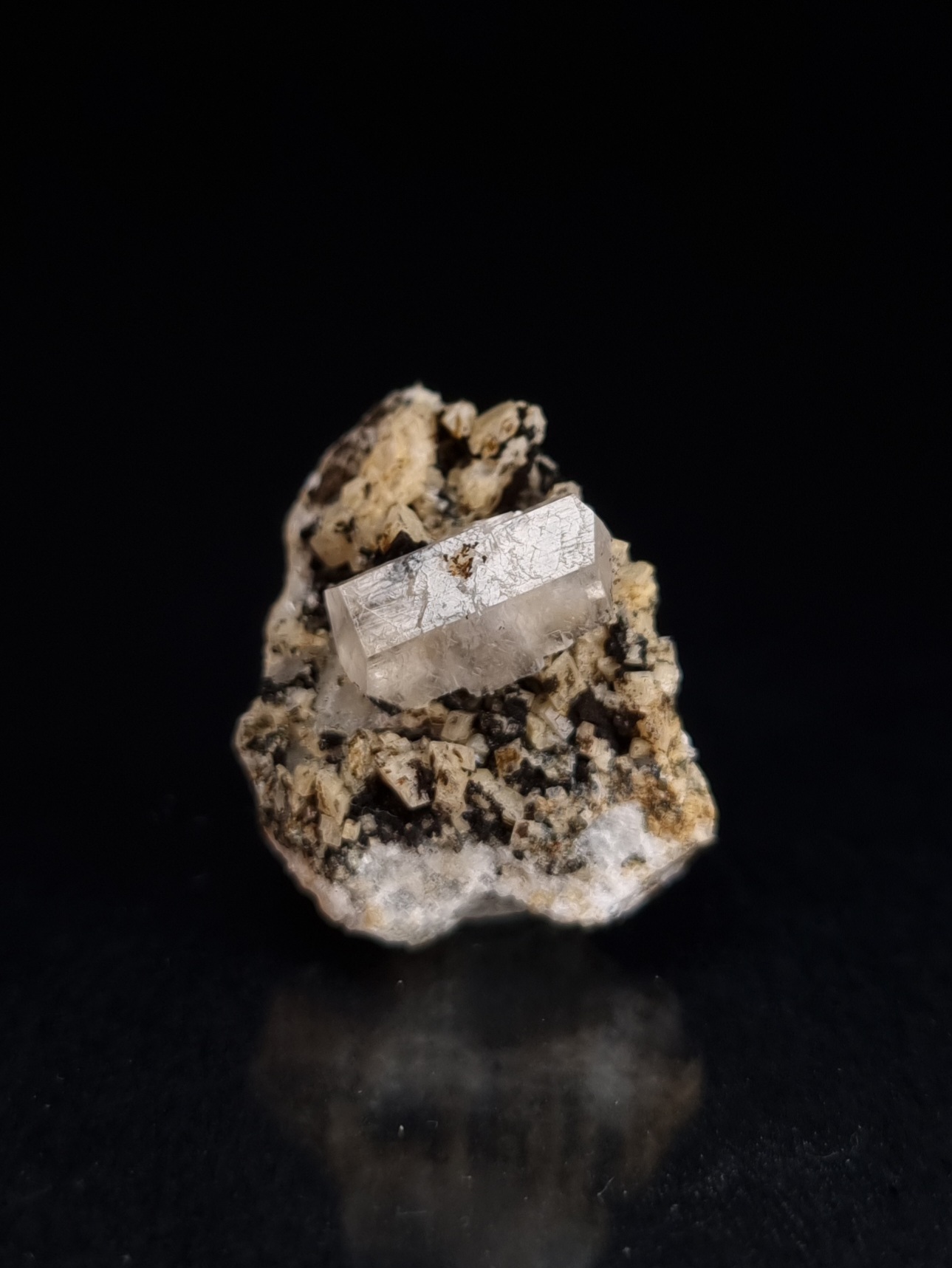
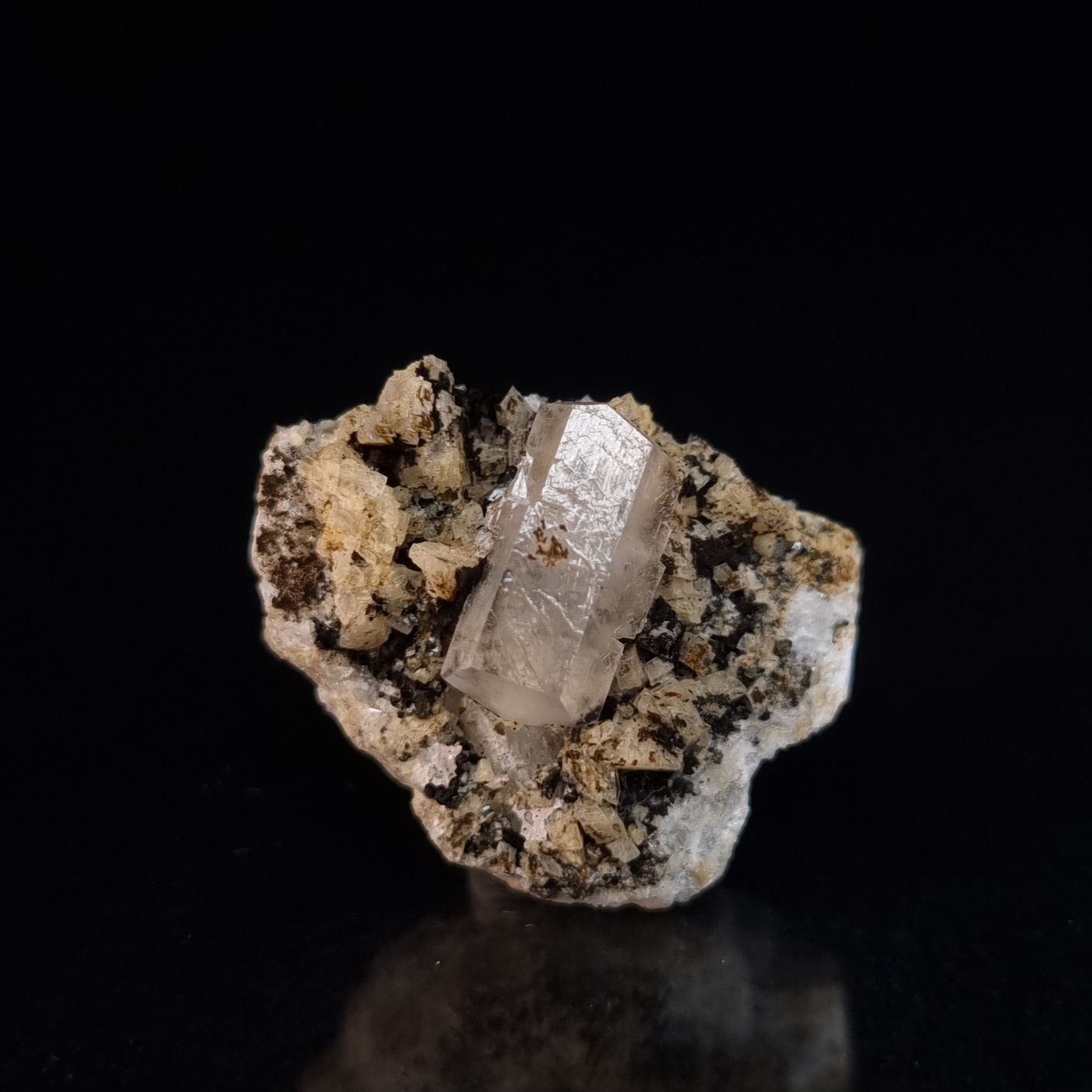
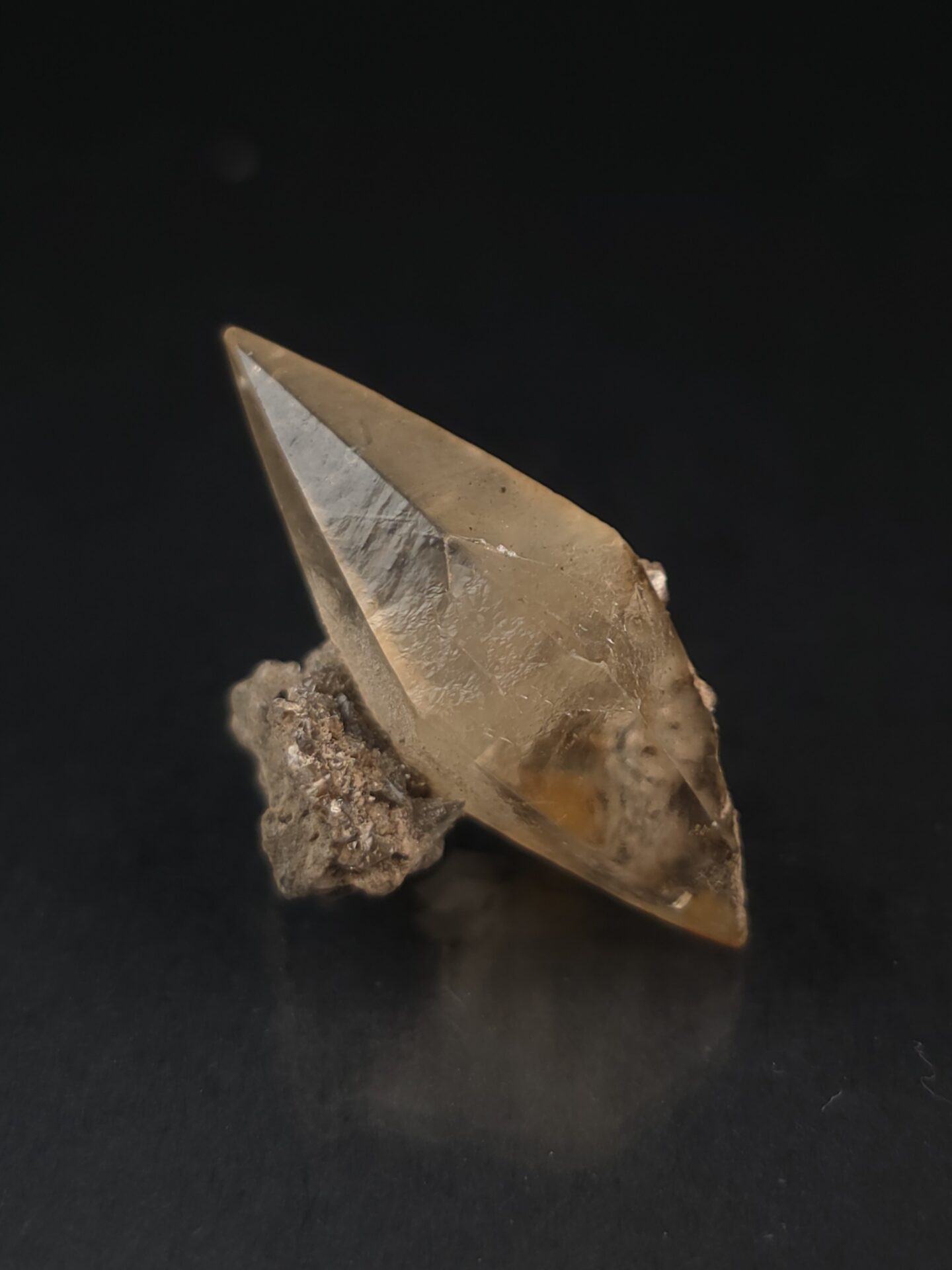
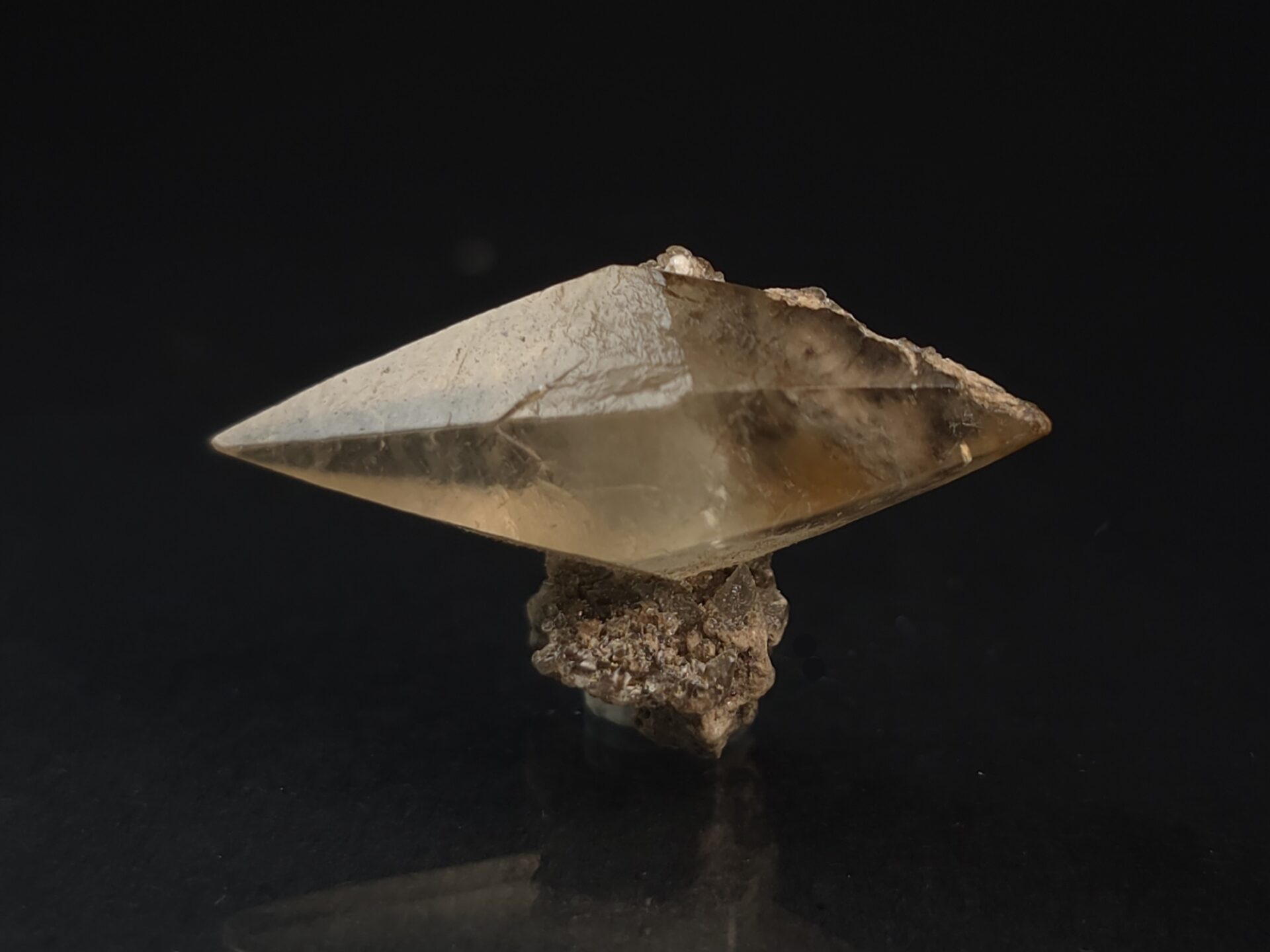
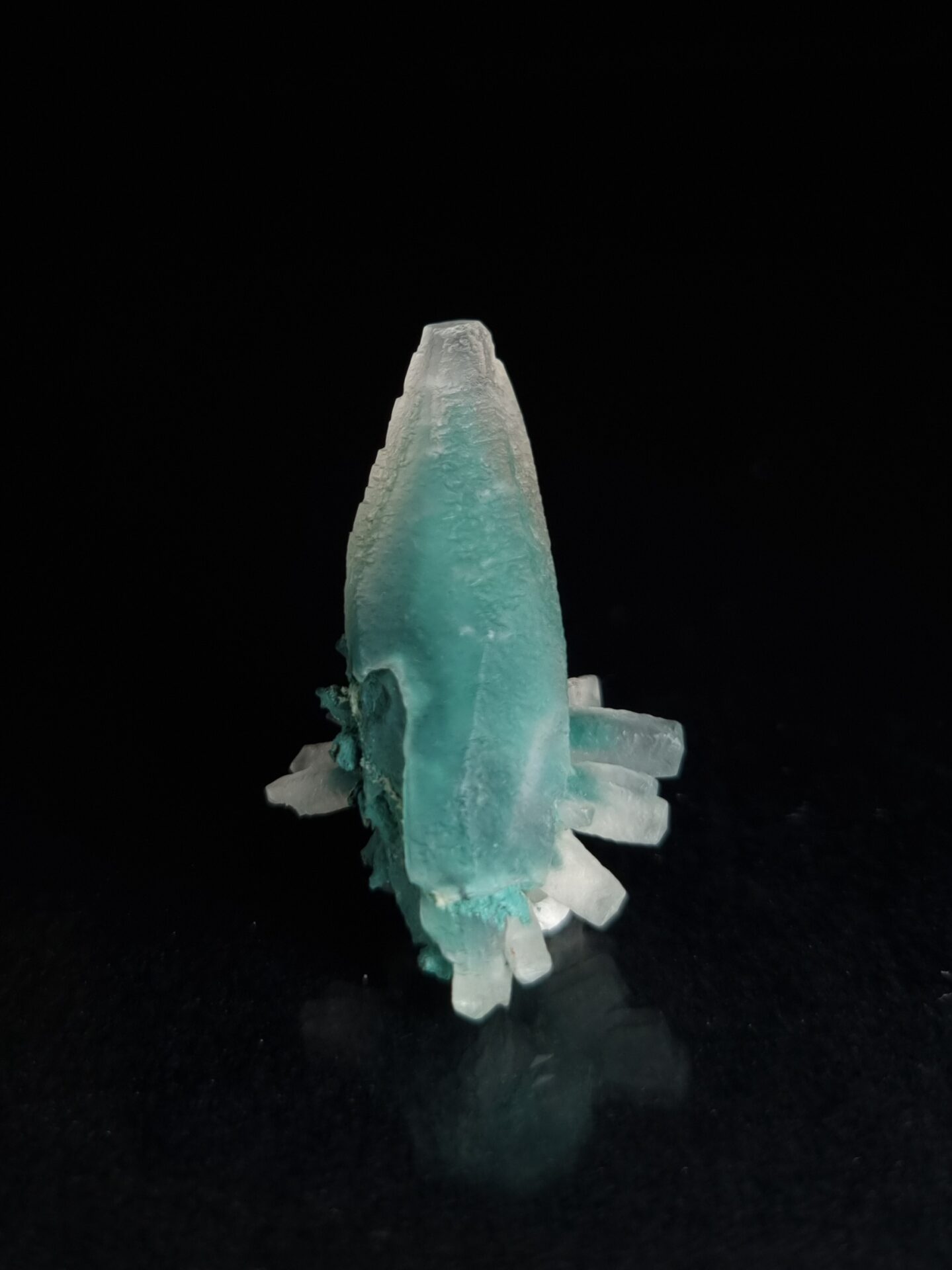
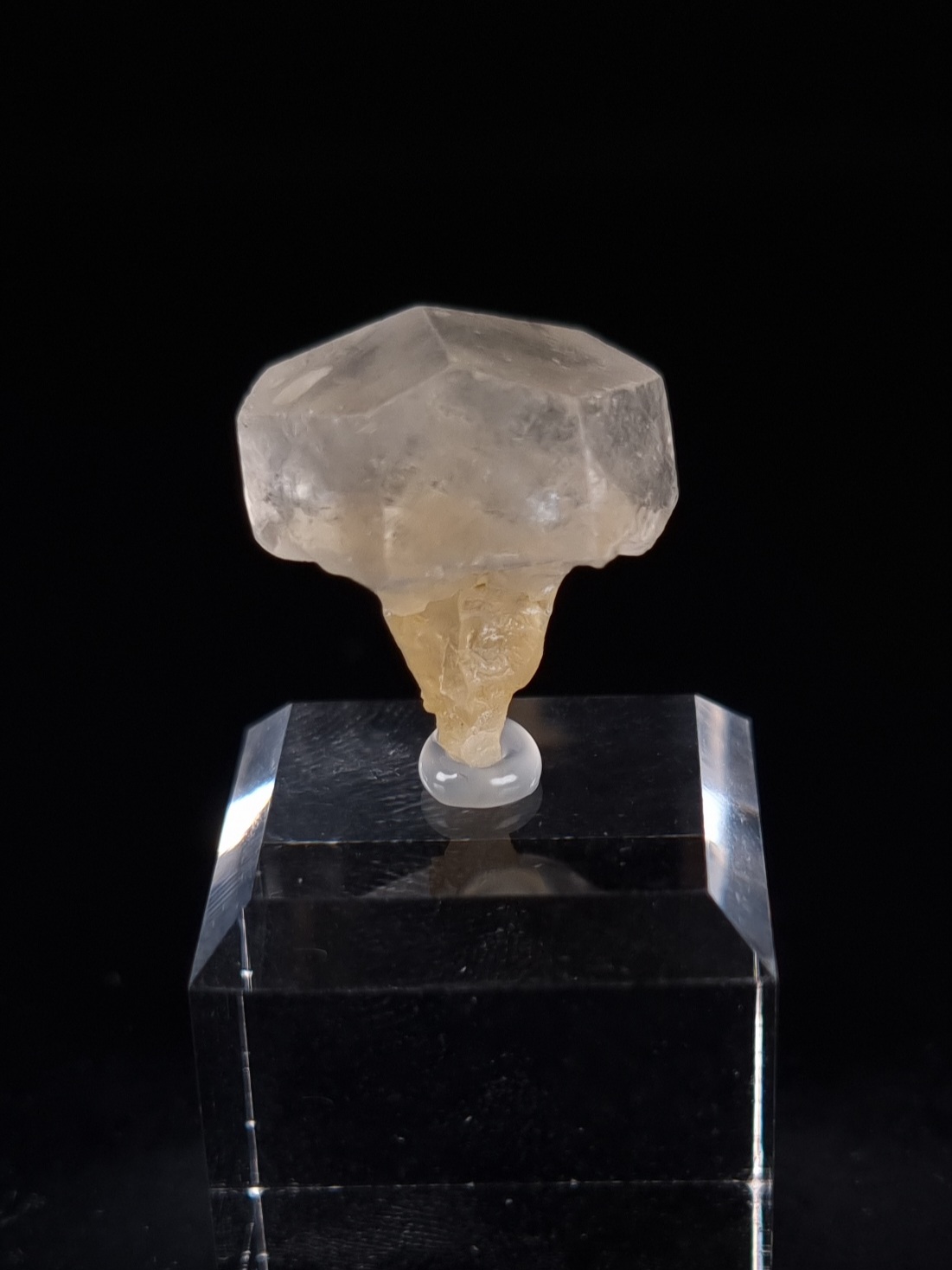
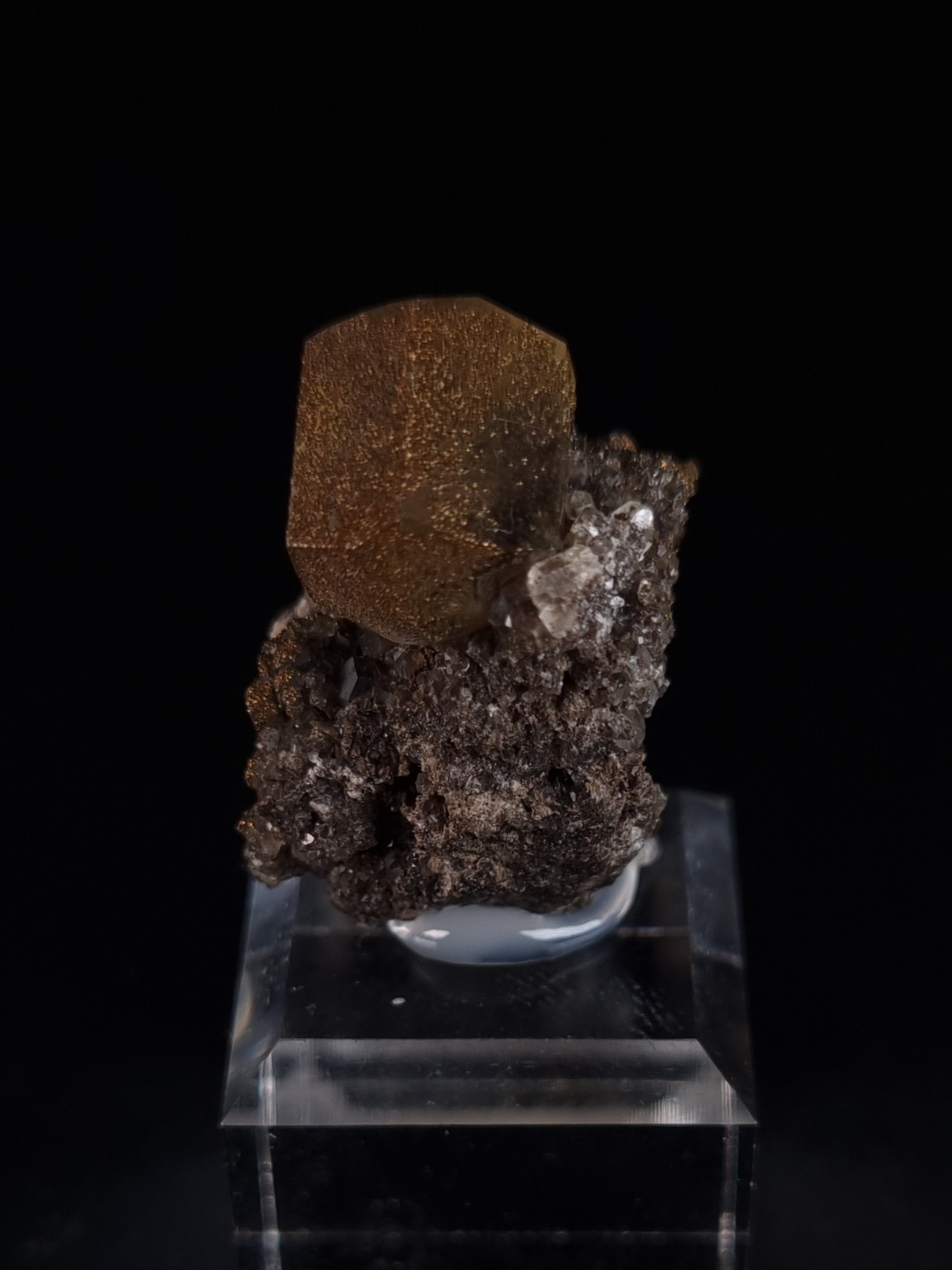
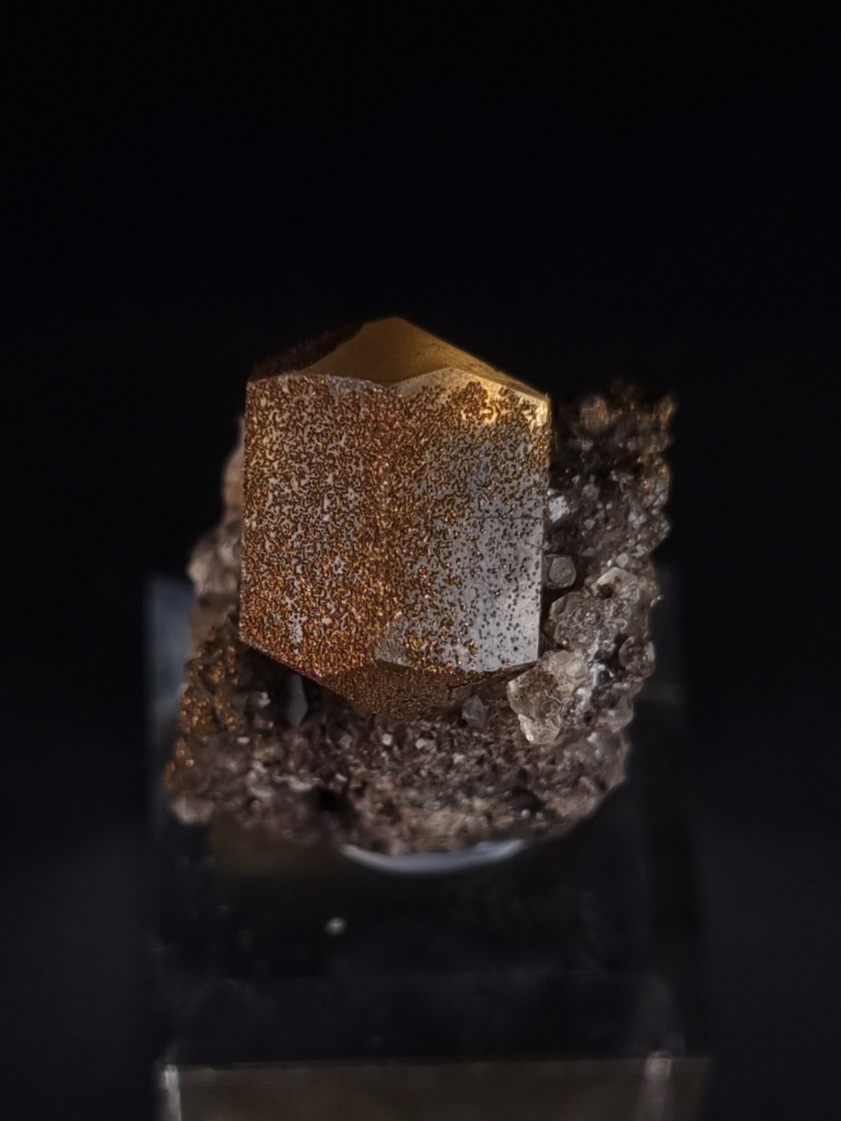
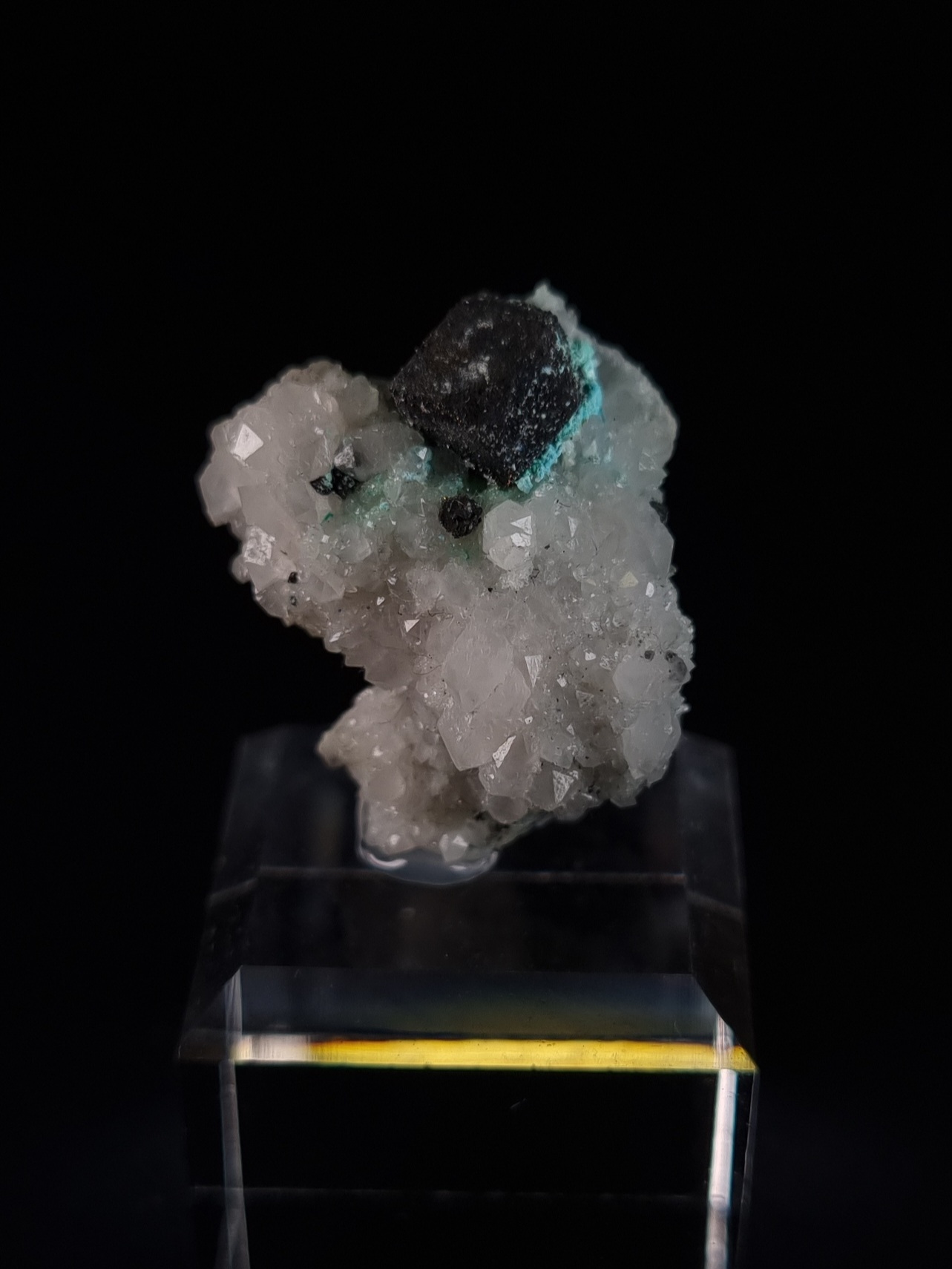
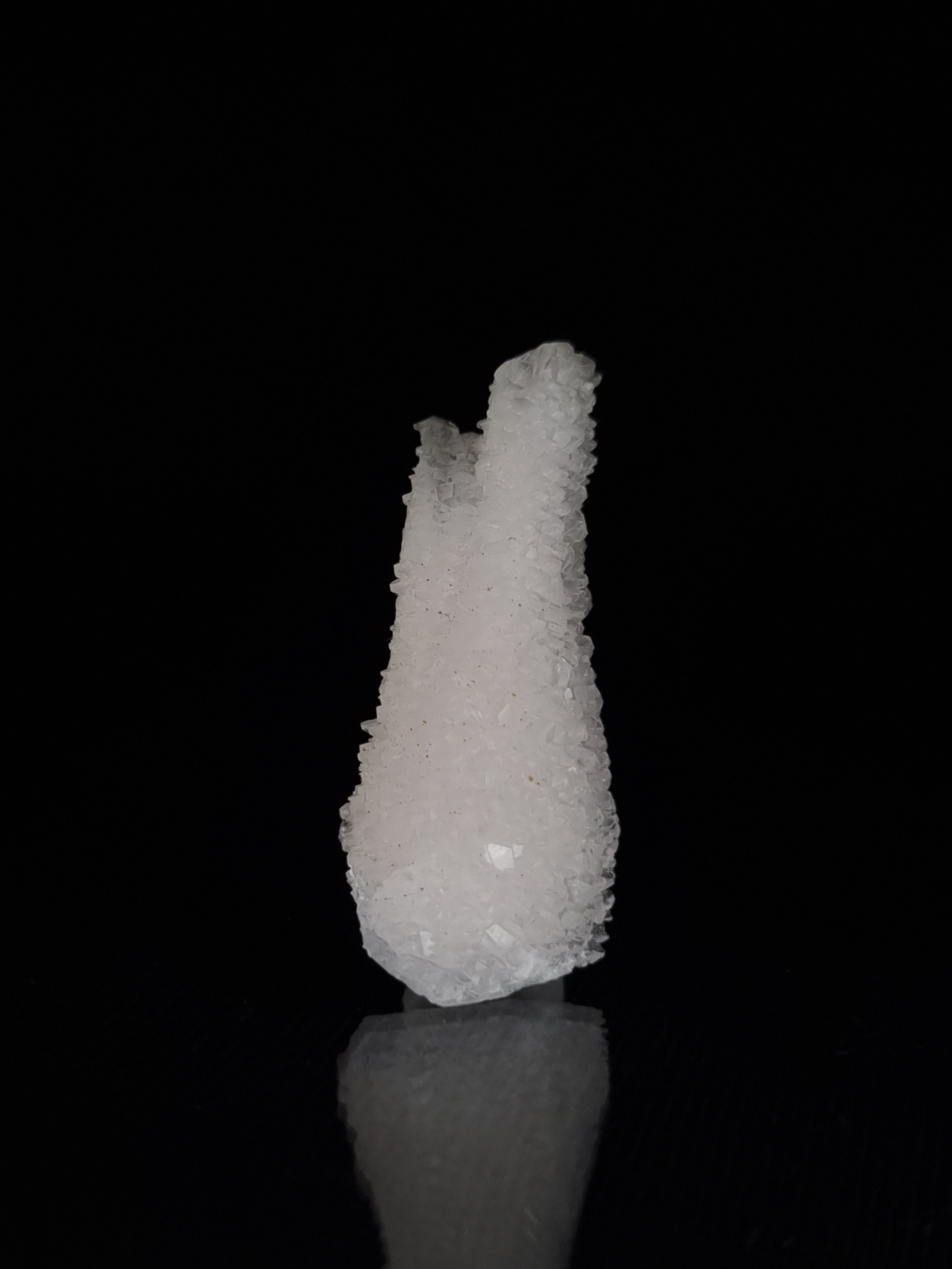
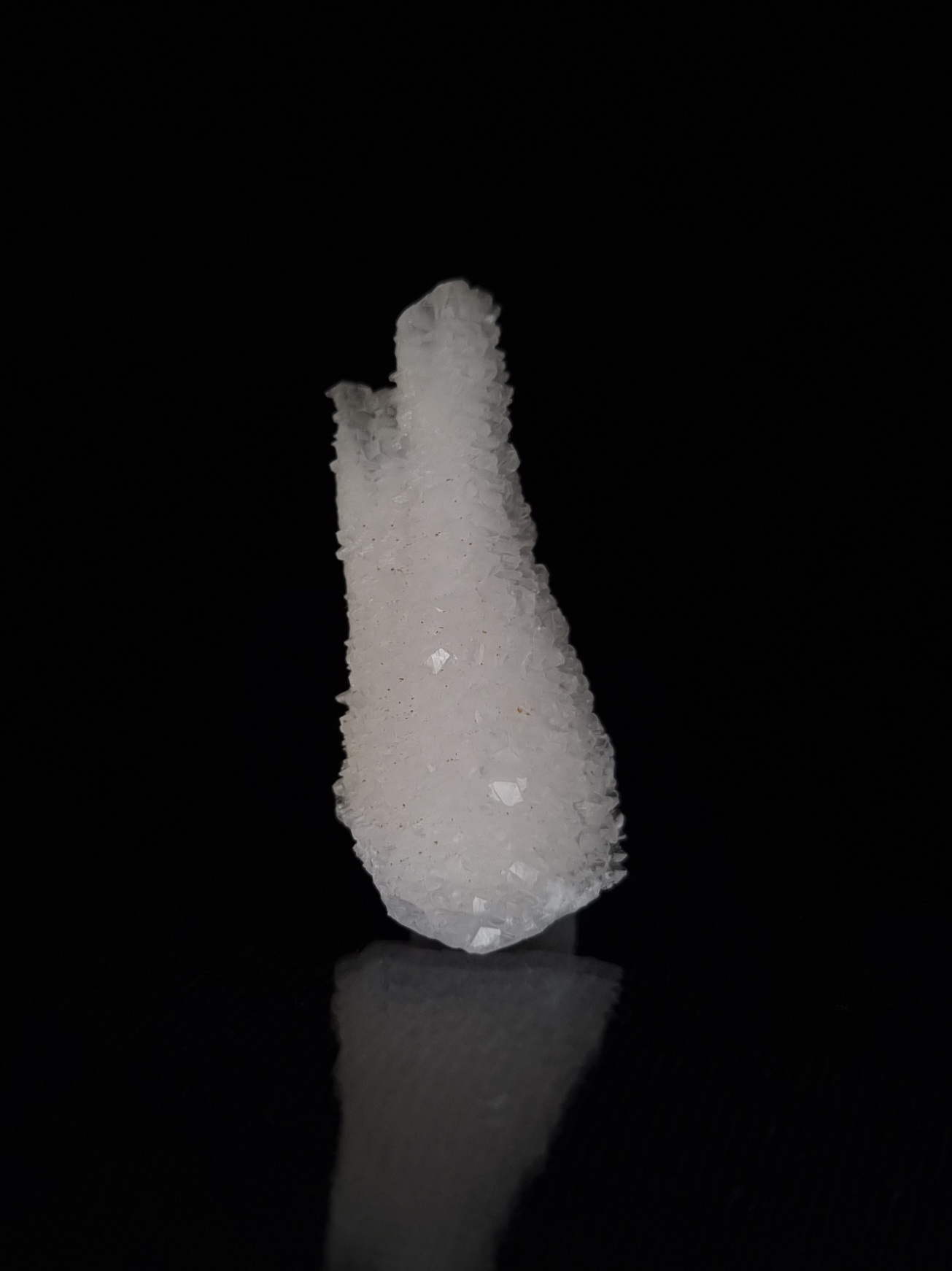
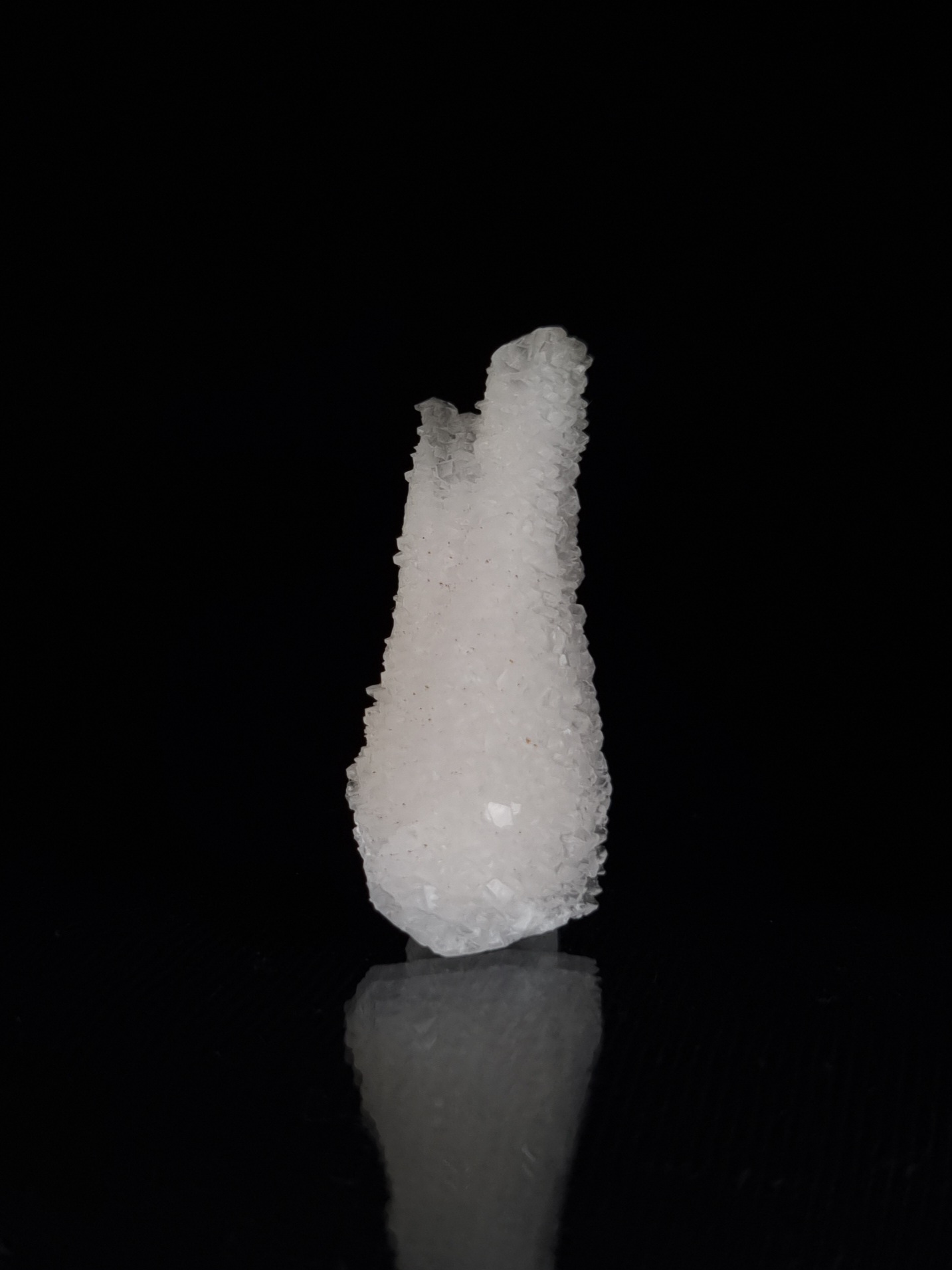
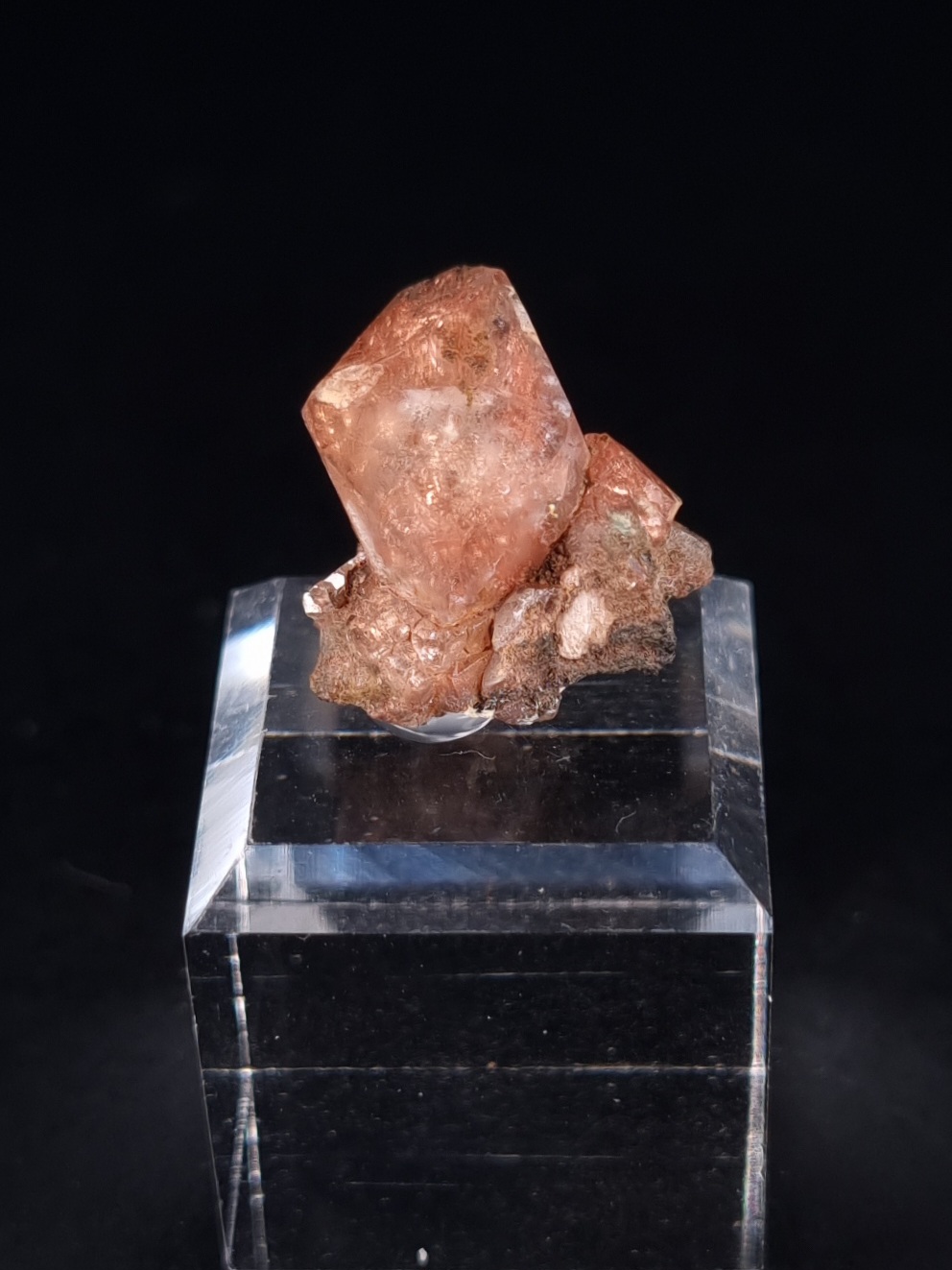
Subcollection focused on aesthetic calcite and aragonite (calcium carbonate) specimens in a smaller miniature and thumbnail size. Finding something uncommon in a species this common is a real skill and pleasure. Specimens on this page are not for sale.
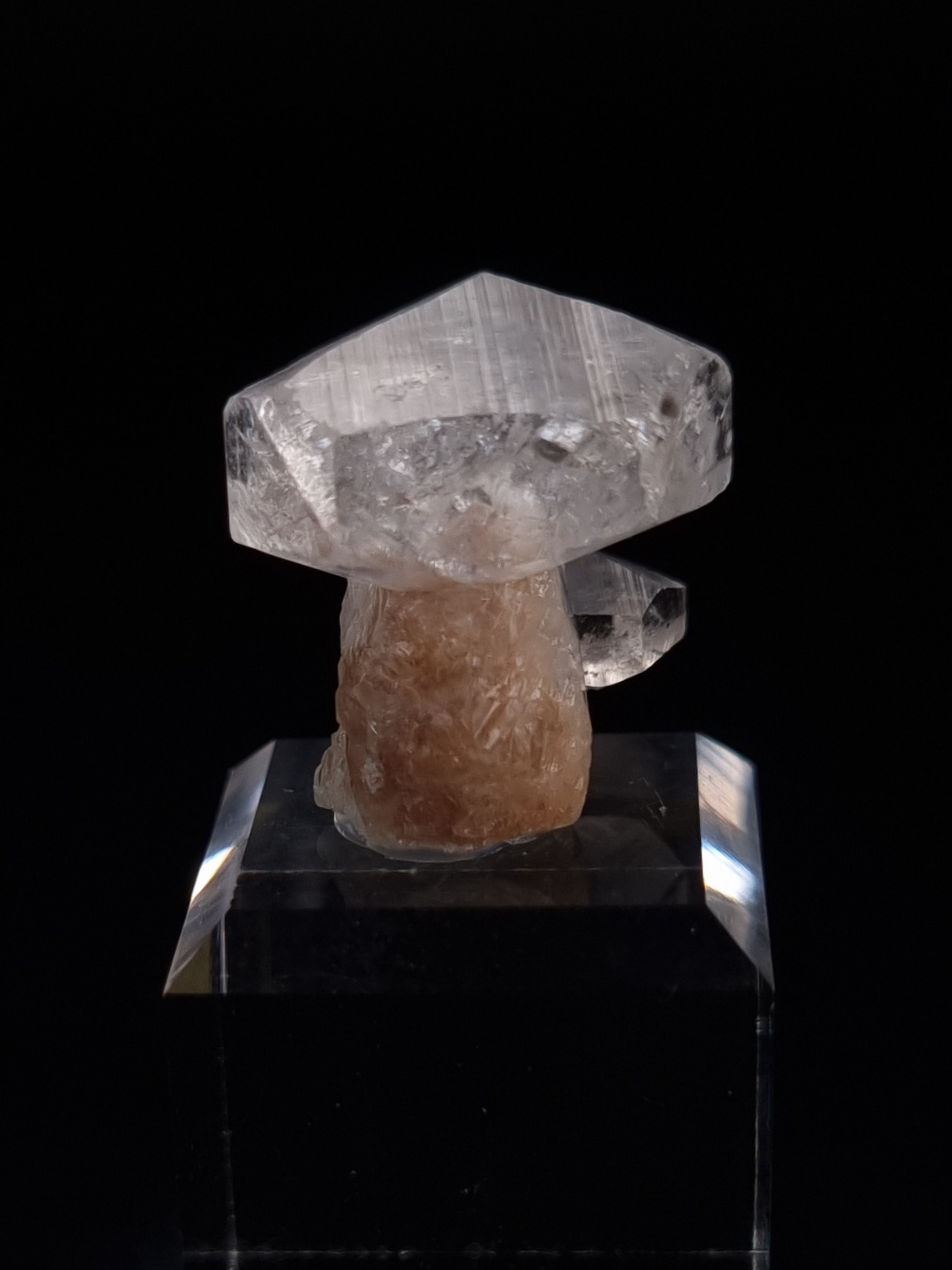
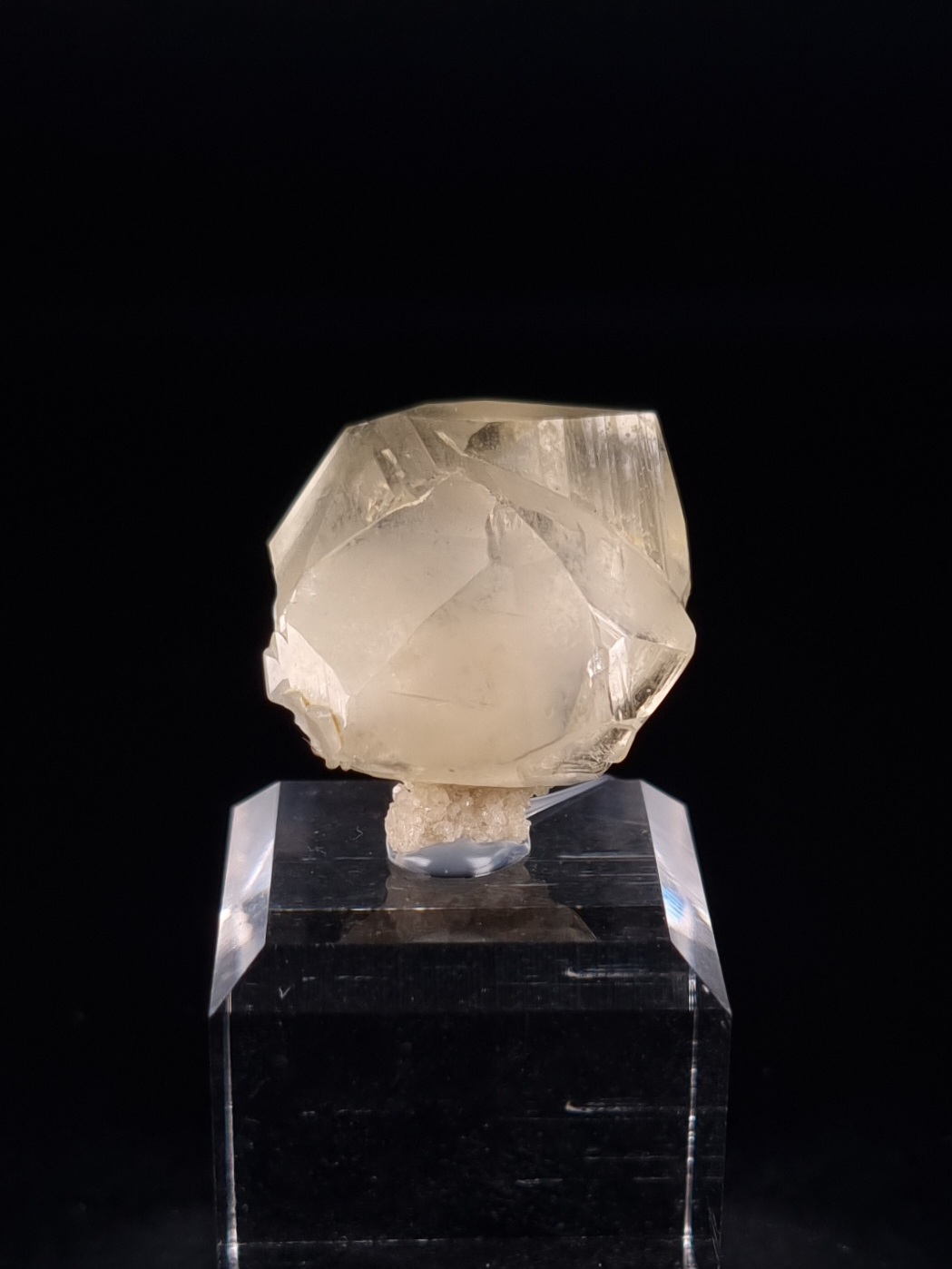
CA01
Calcite
Dal'negorsk, Primorskiy Kray, Russia
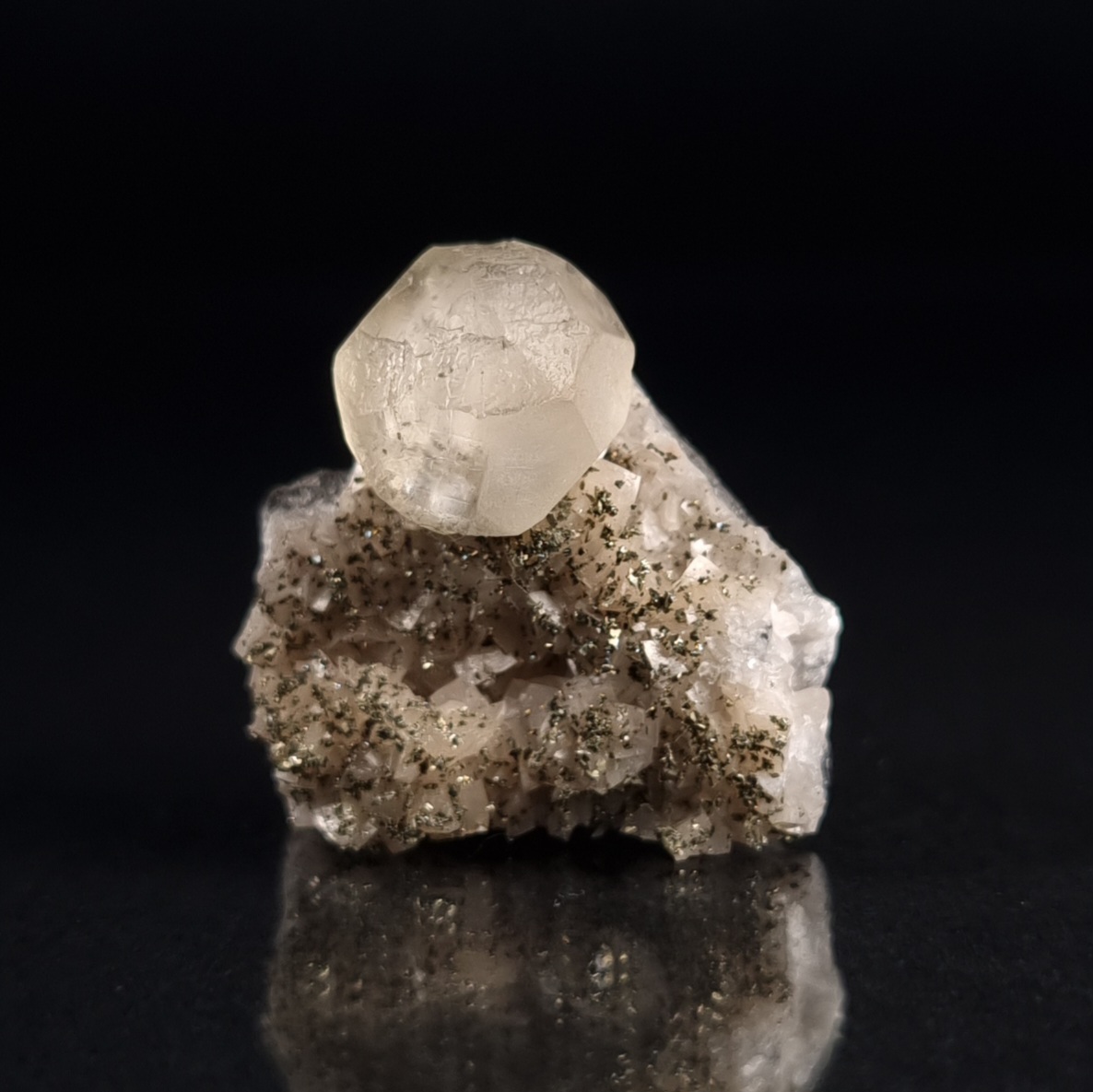
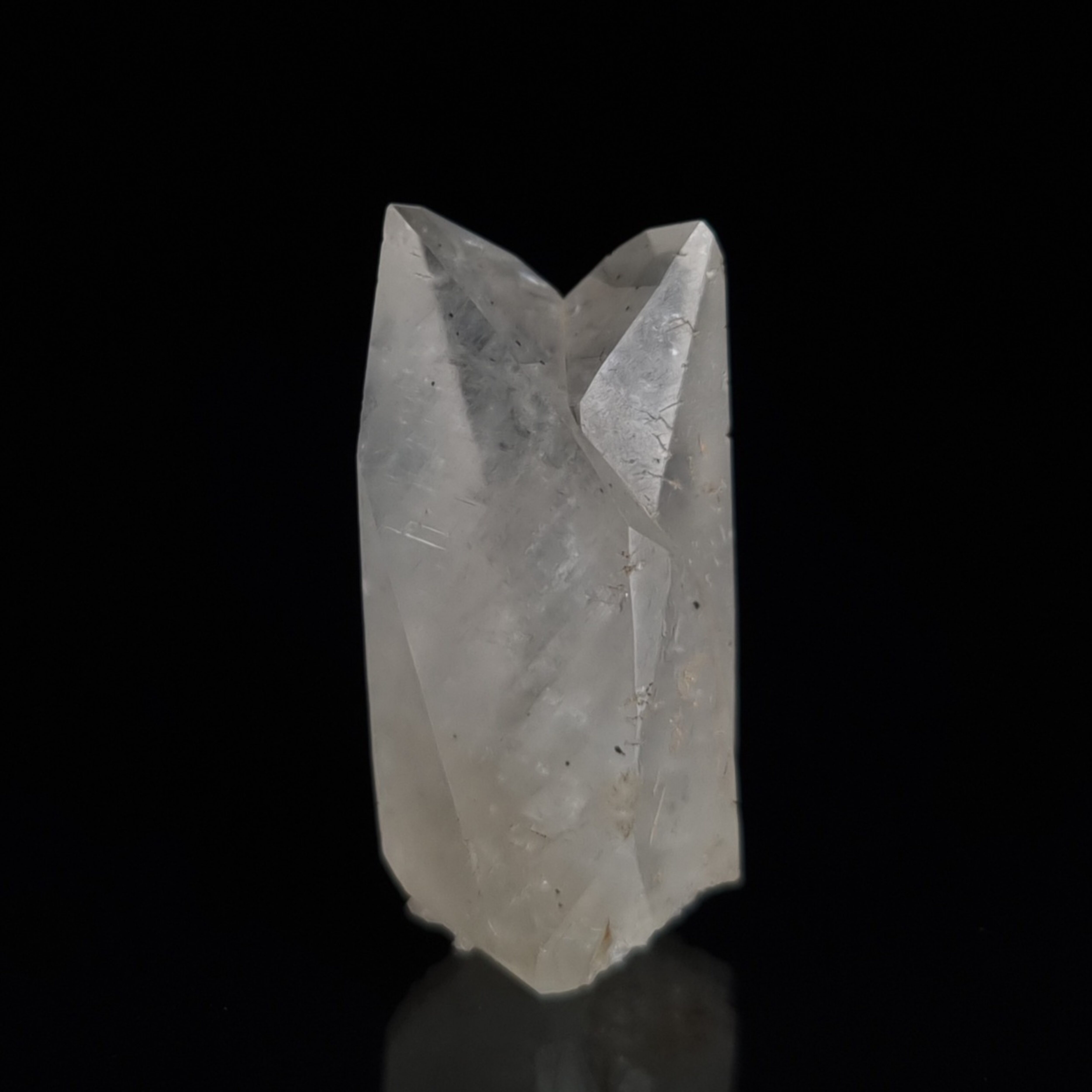
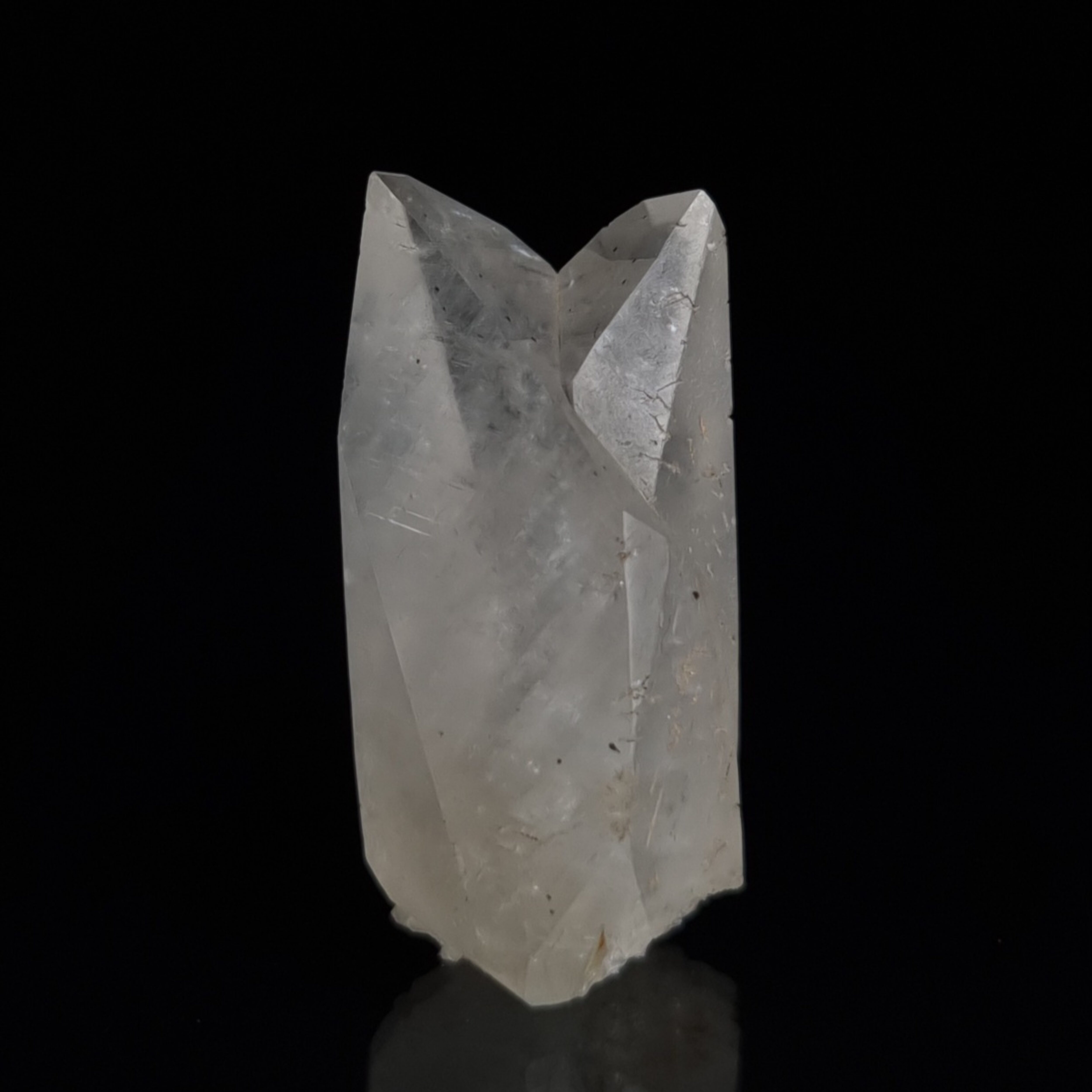
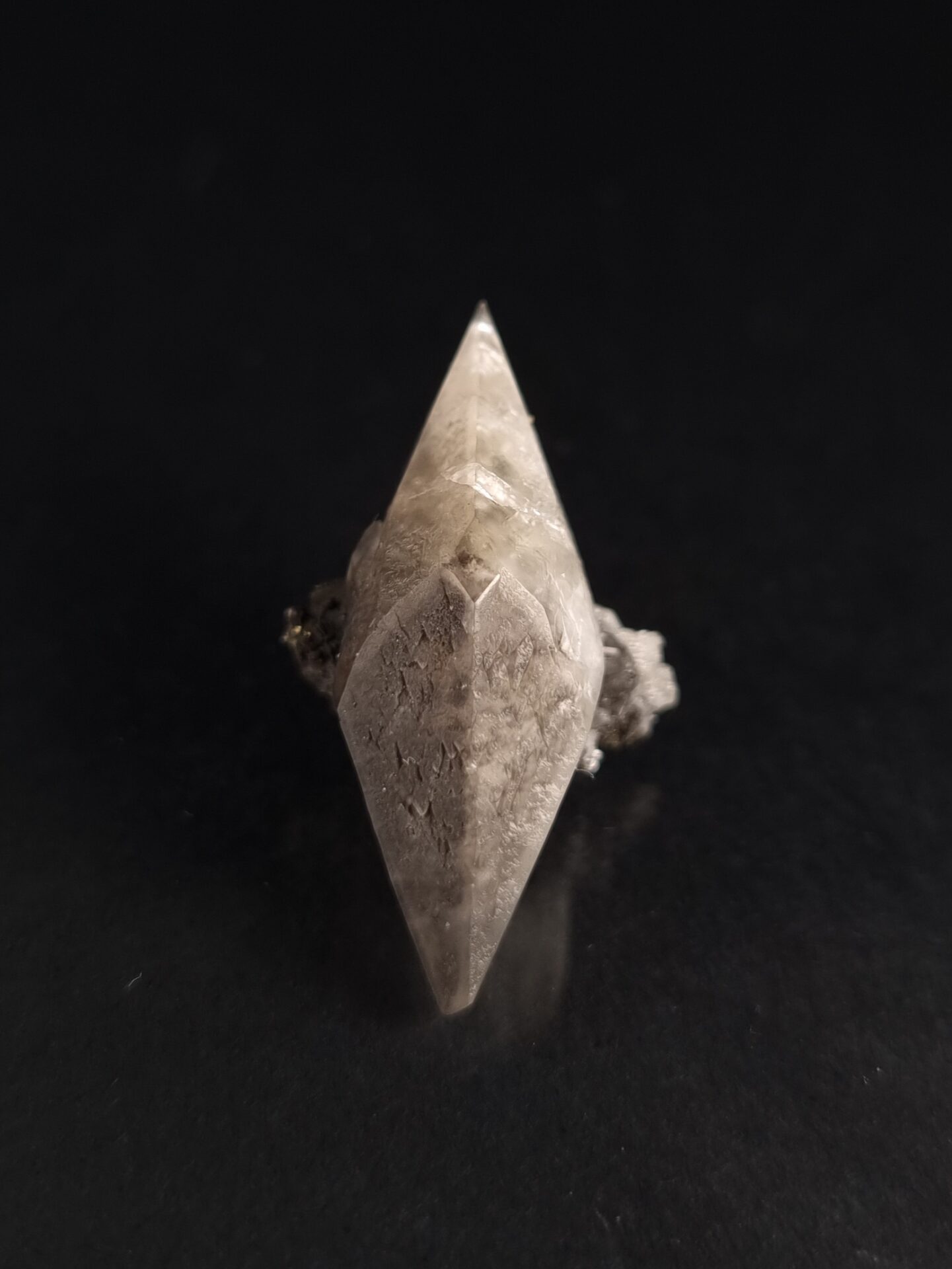
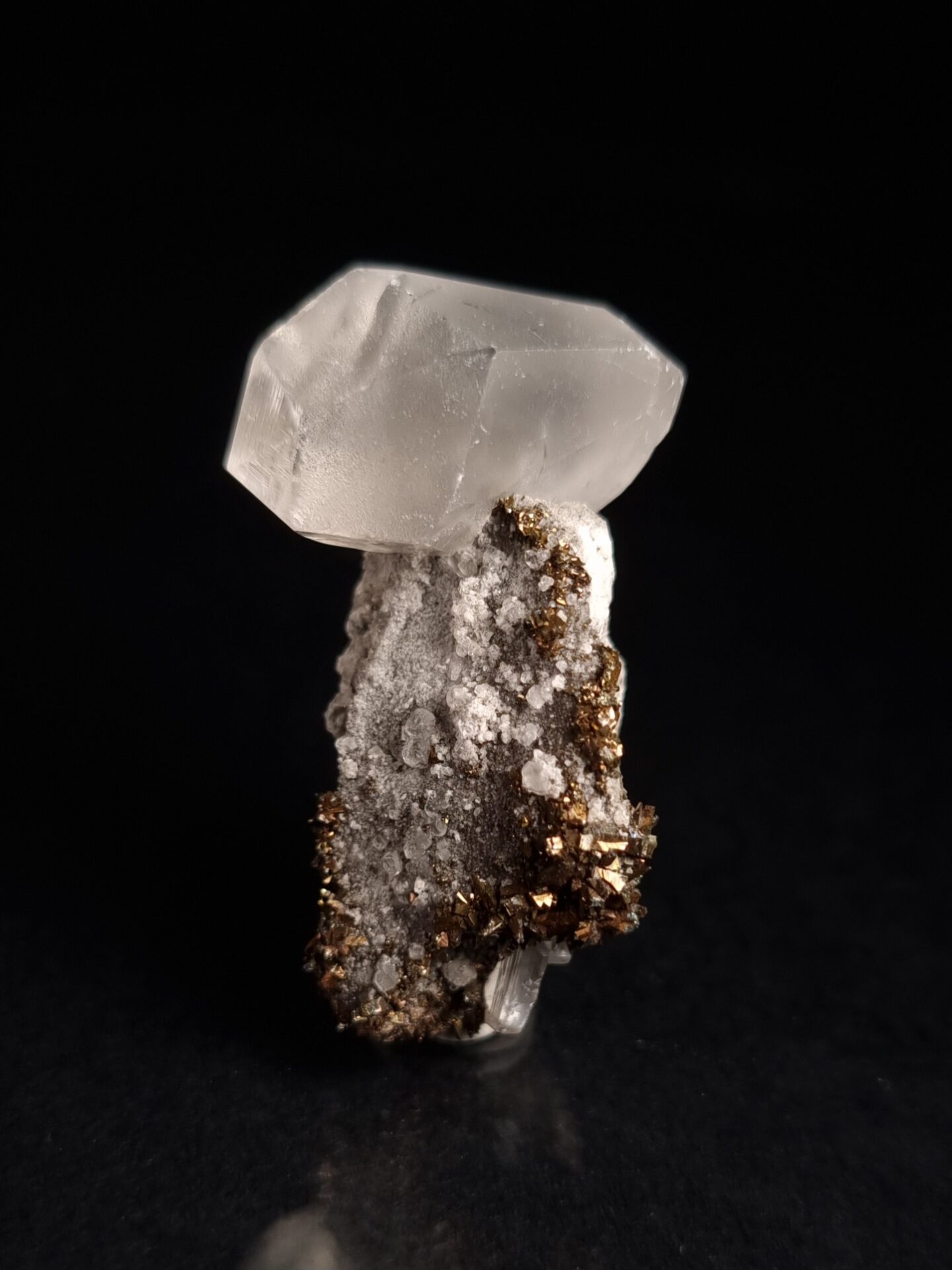
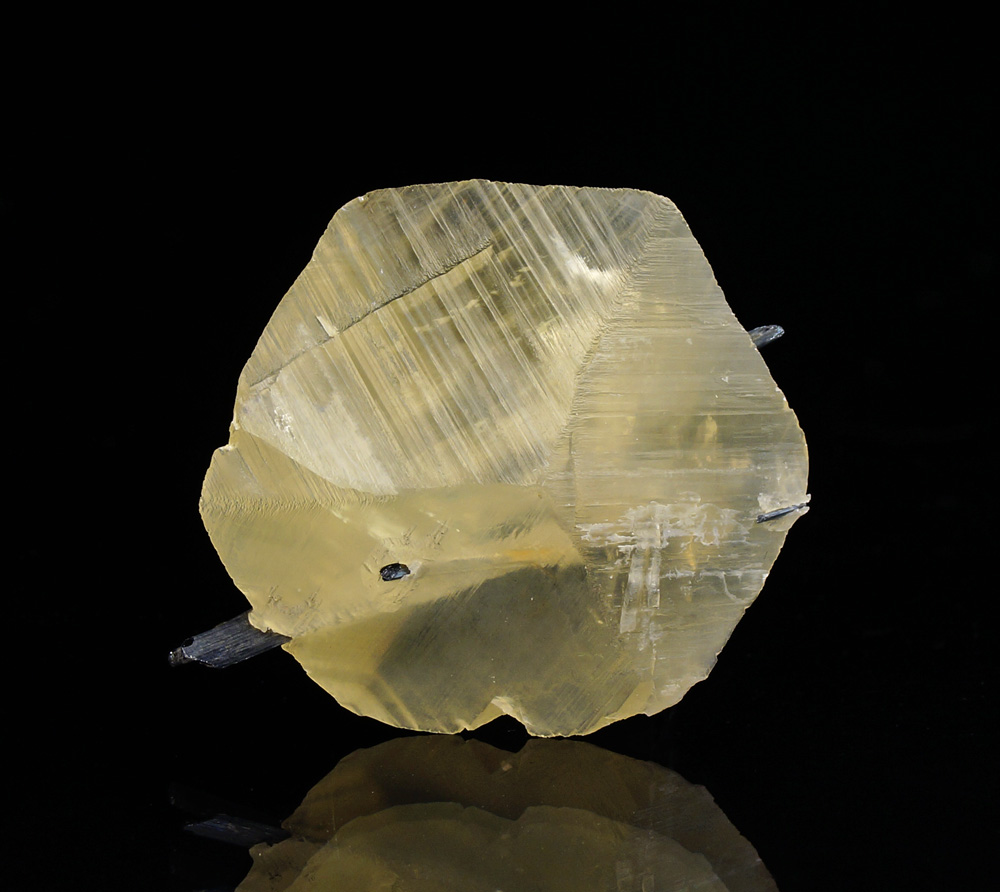
Absolutely incredible lustrous “mushroom” scepter of calcite with another small, even more clear and lustrous crystal attached.
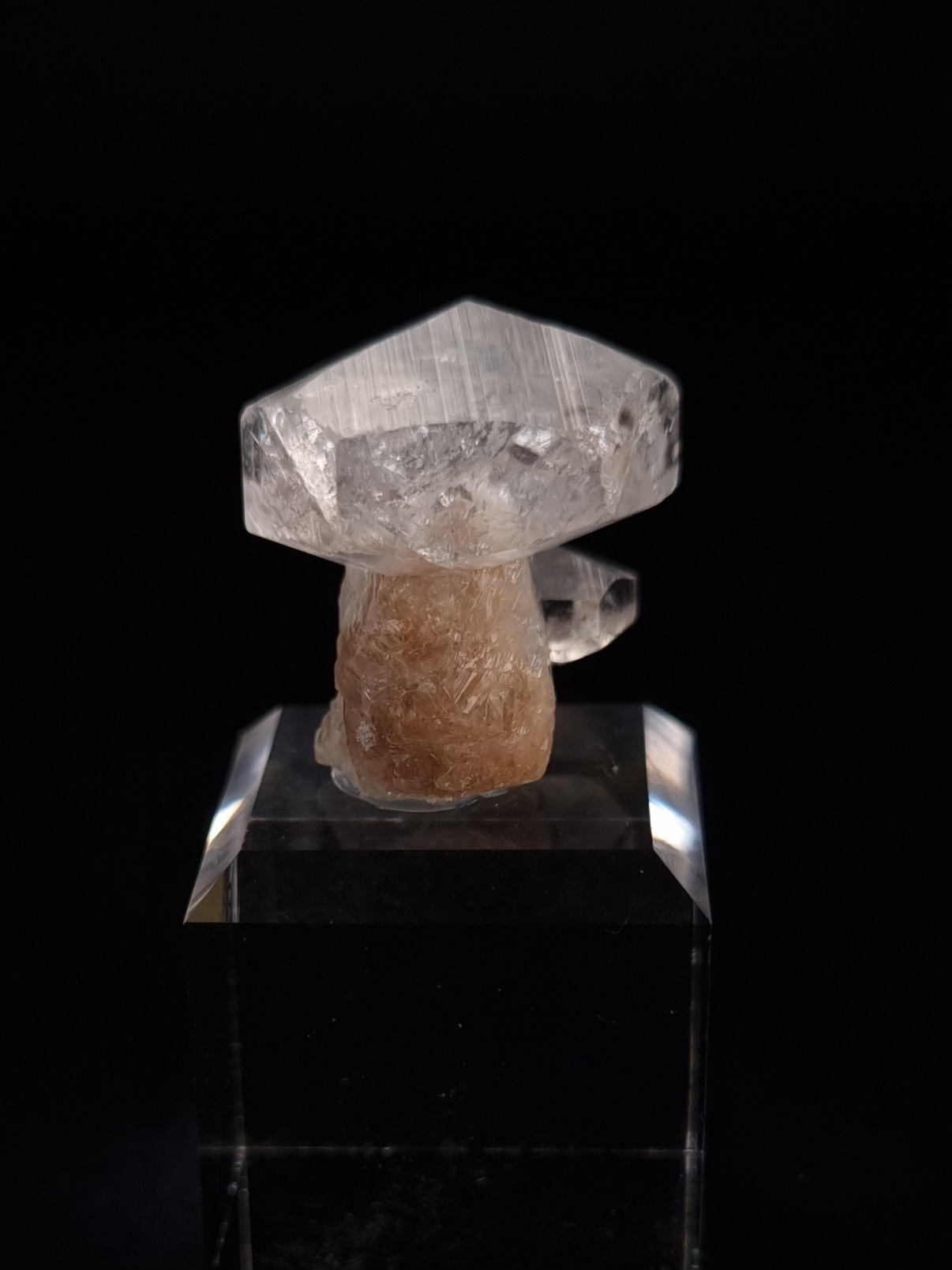
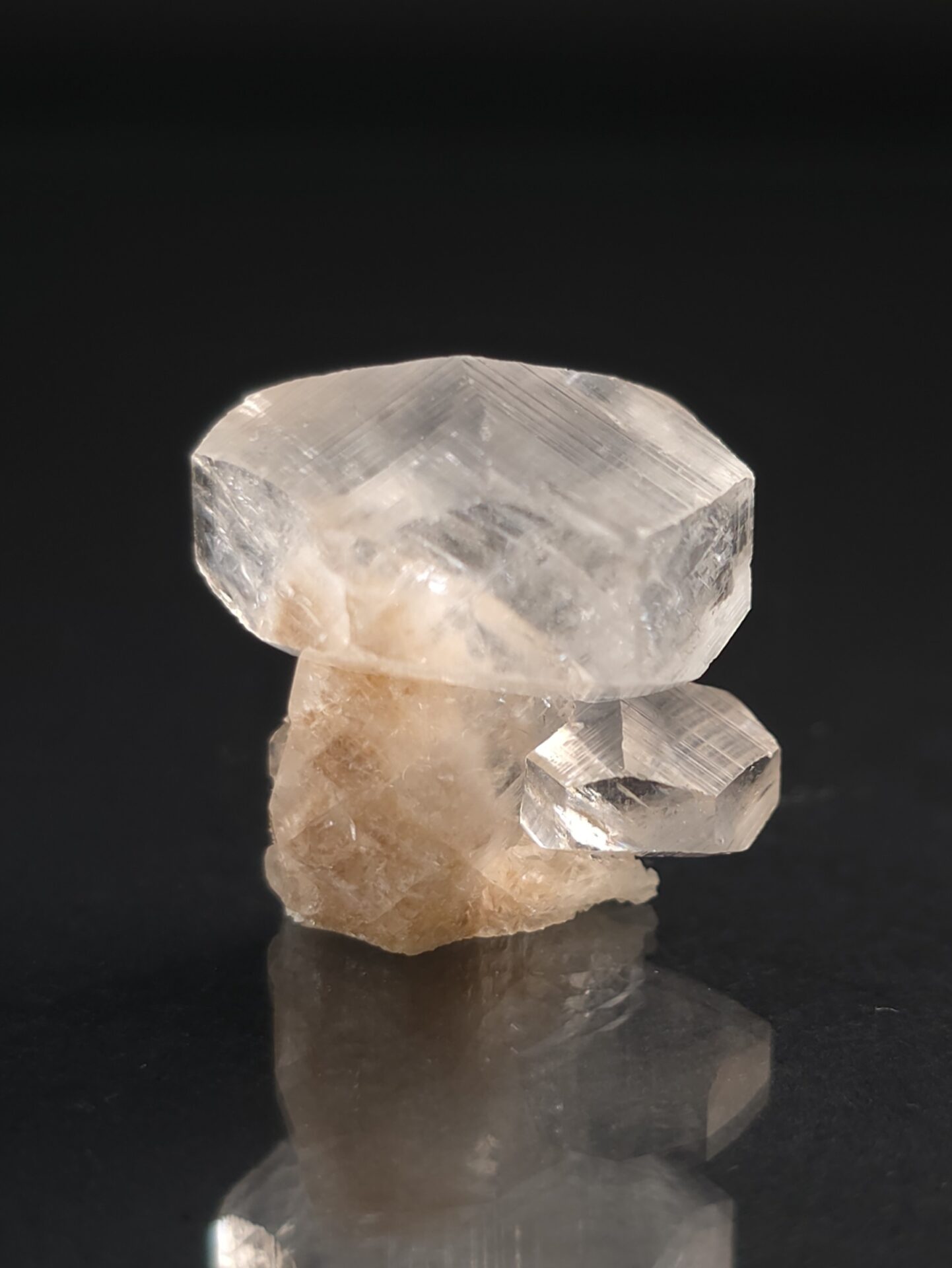
CA02
Calcite
Dal'negorsk, Primorskiy Kray, Russia
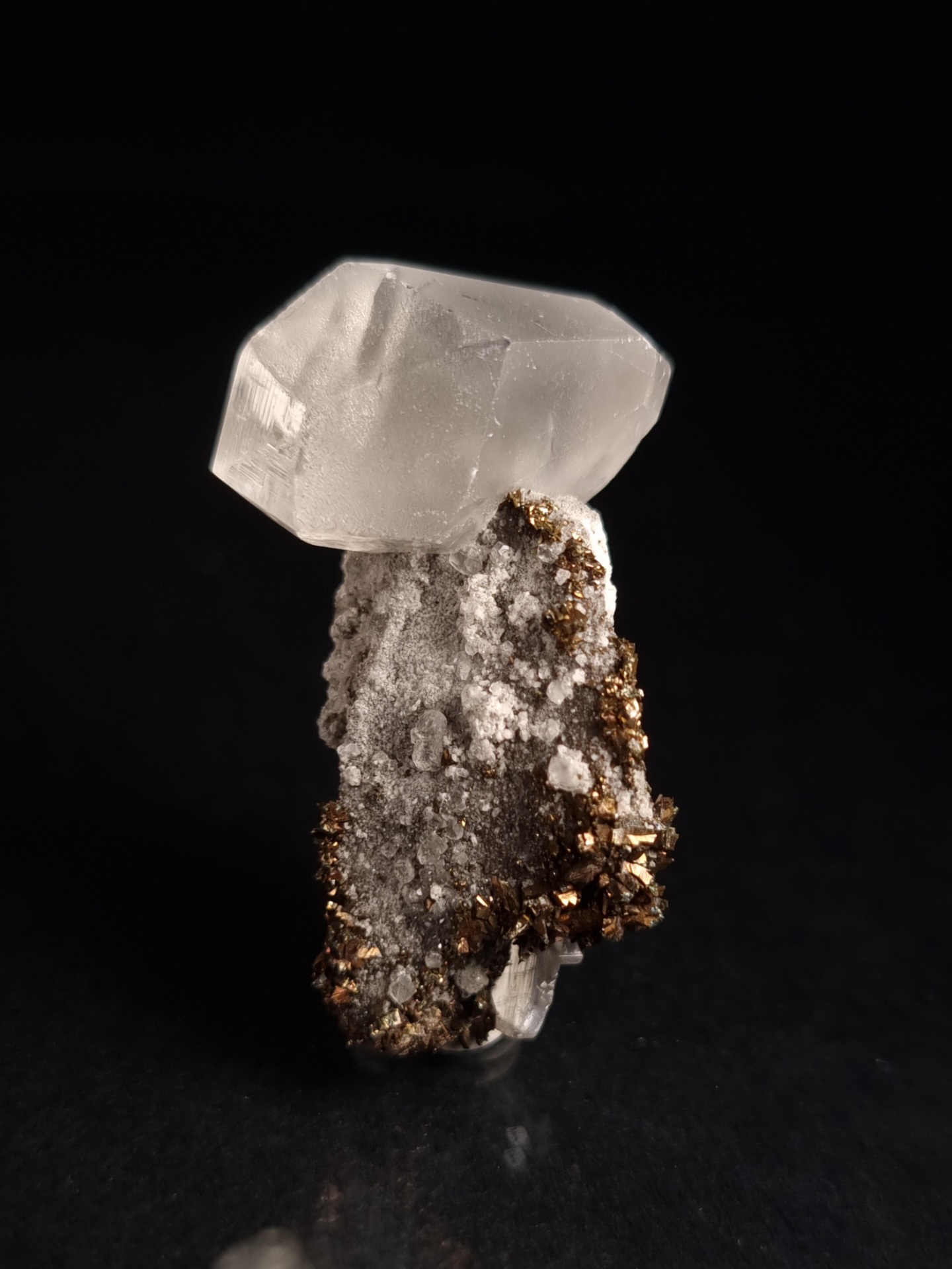
Absolutely incredible lustrous “mushroom” scepter of calcite with another small, even more clear and lustrous crystal attached.
CA03
Calcite
Calcite Quarry, Holzen, Holzen, Germany
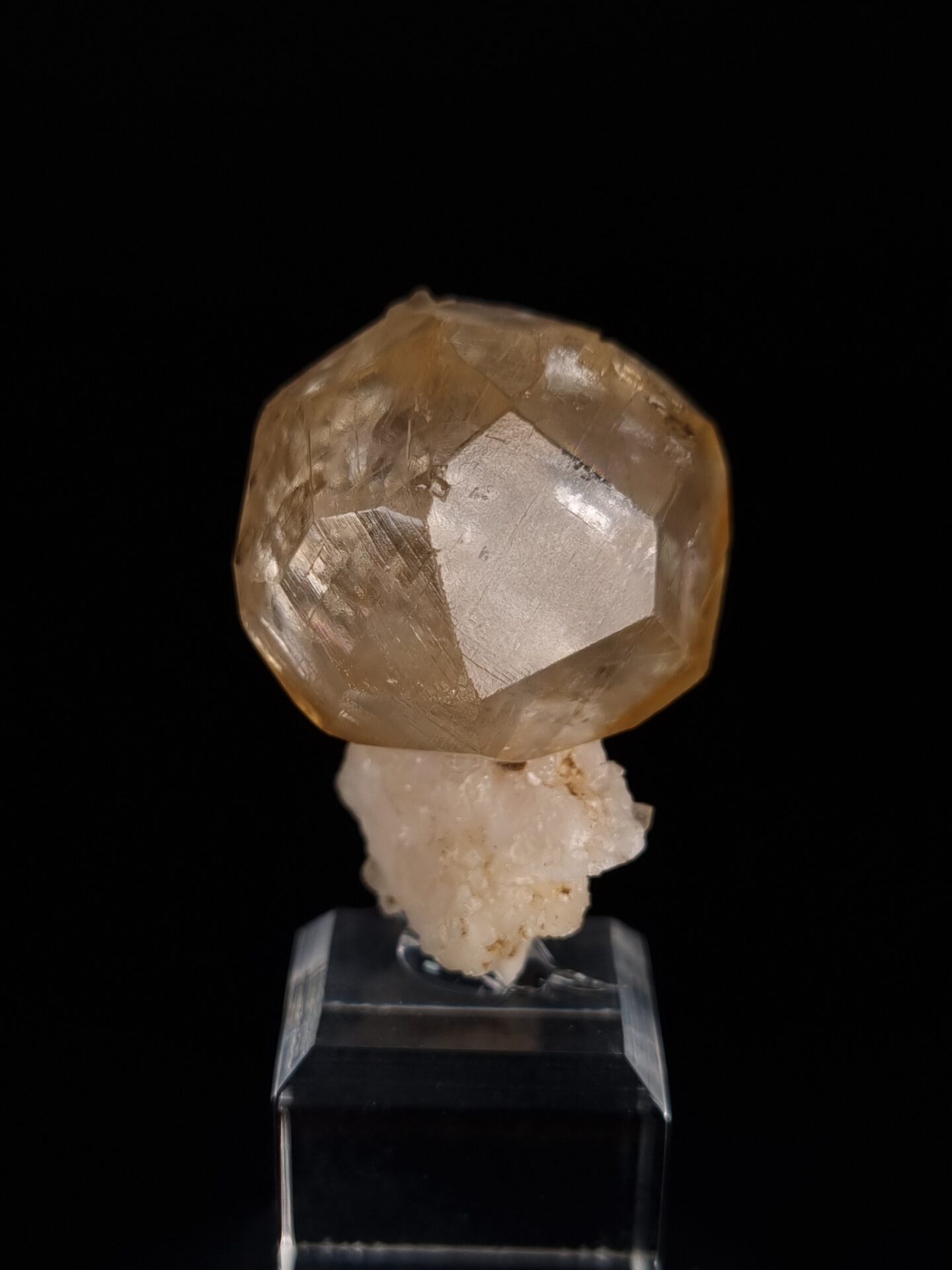
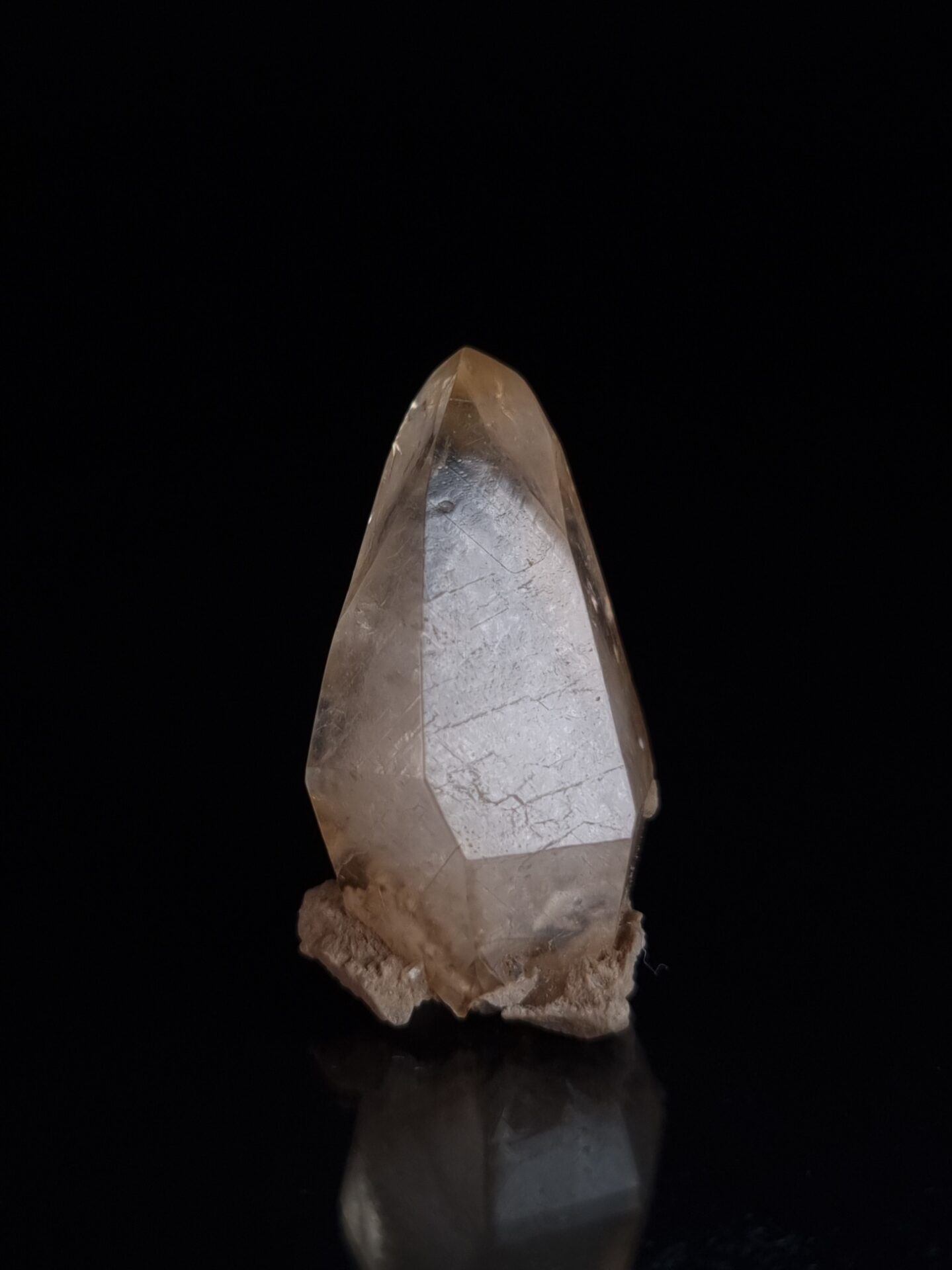
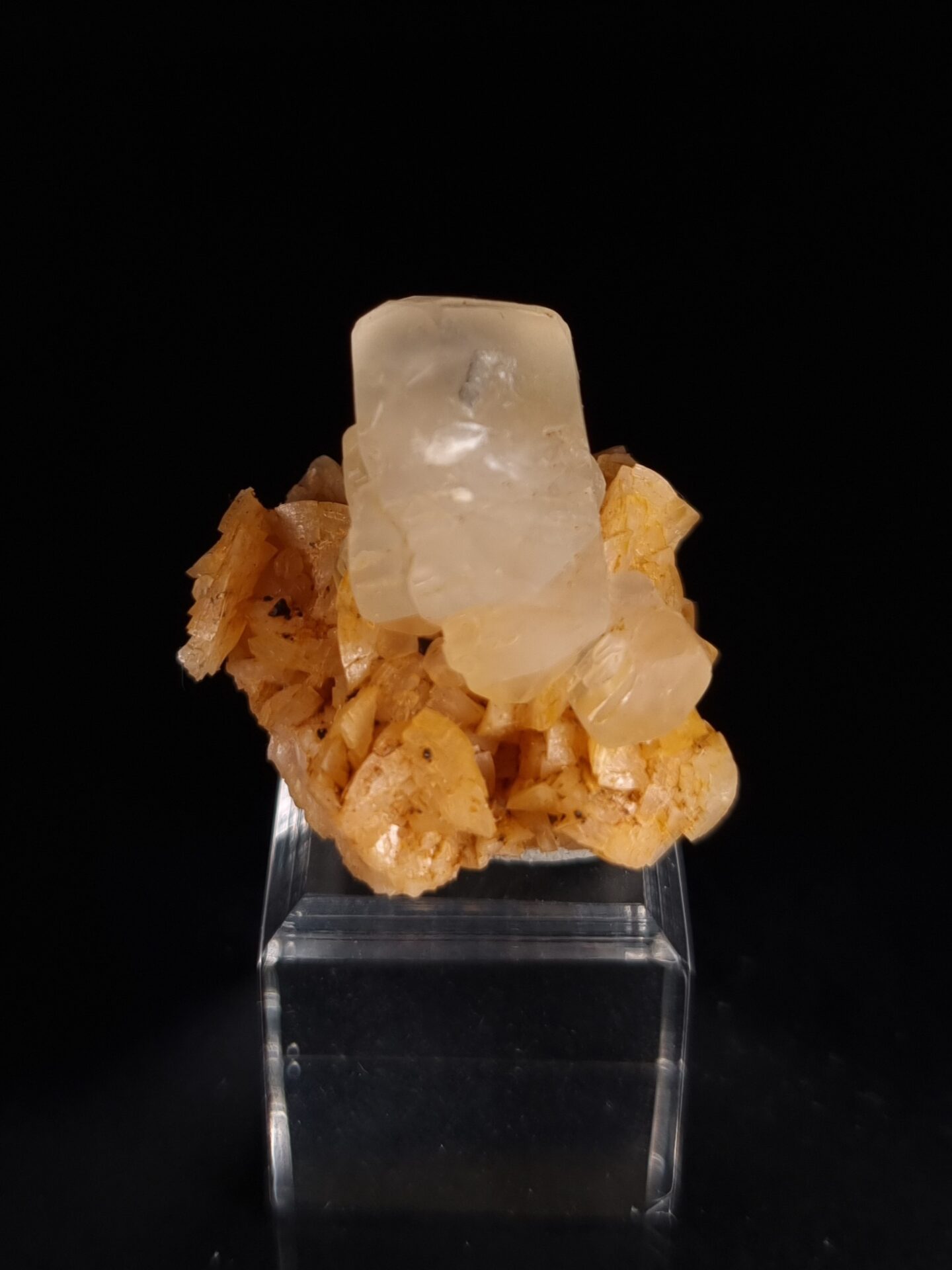
Wonderful intergrown crystals of honey-colored calcite perched on matrix-like calcite aggregate with impressive luster.
CA04
Calcite
Troya Mine, Mutilda, Goierri, Gipuxoa, Basque County, Spain
Sharp and lustrous calcite crystals in an association with gem-clear sphalerite crystals with a great color, providing an appealing specimen.
CA05
Aragonite
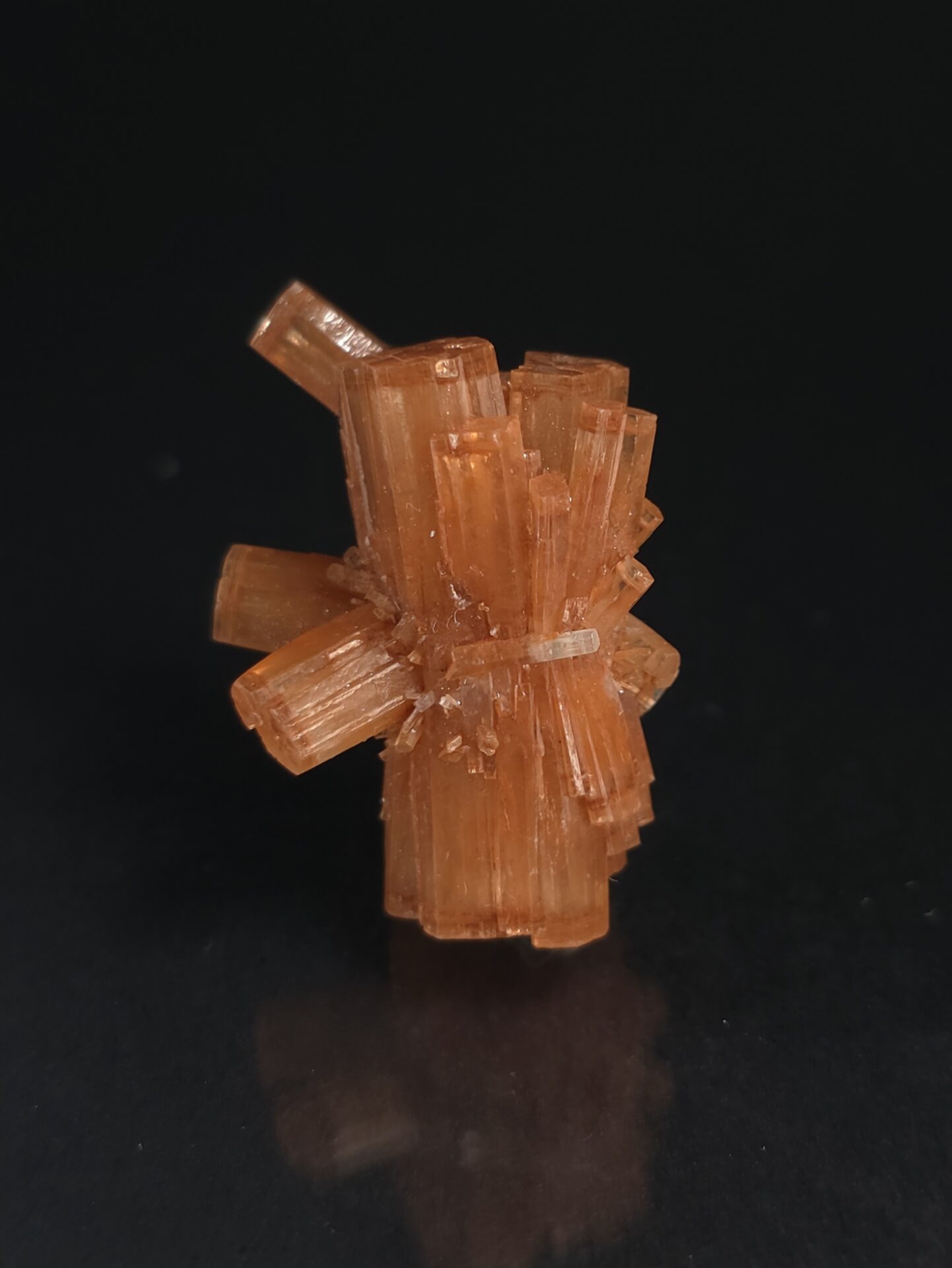
Fiumedinisi, Messina Province, Sicily, Italy
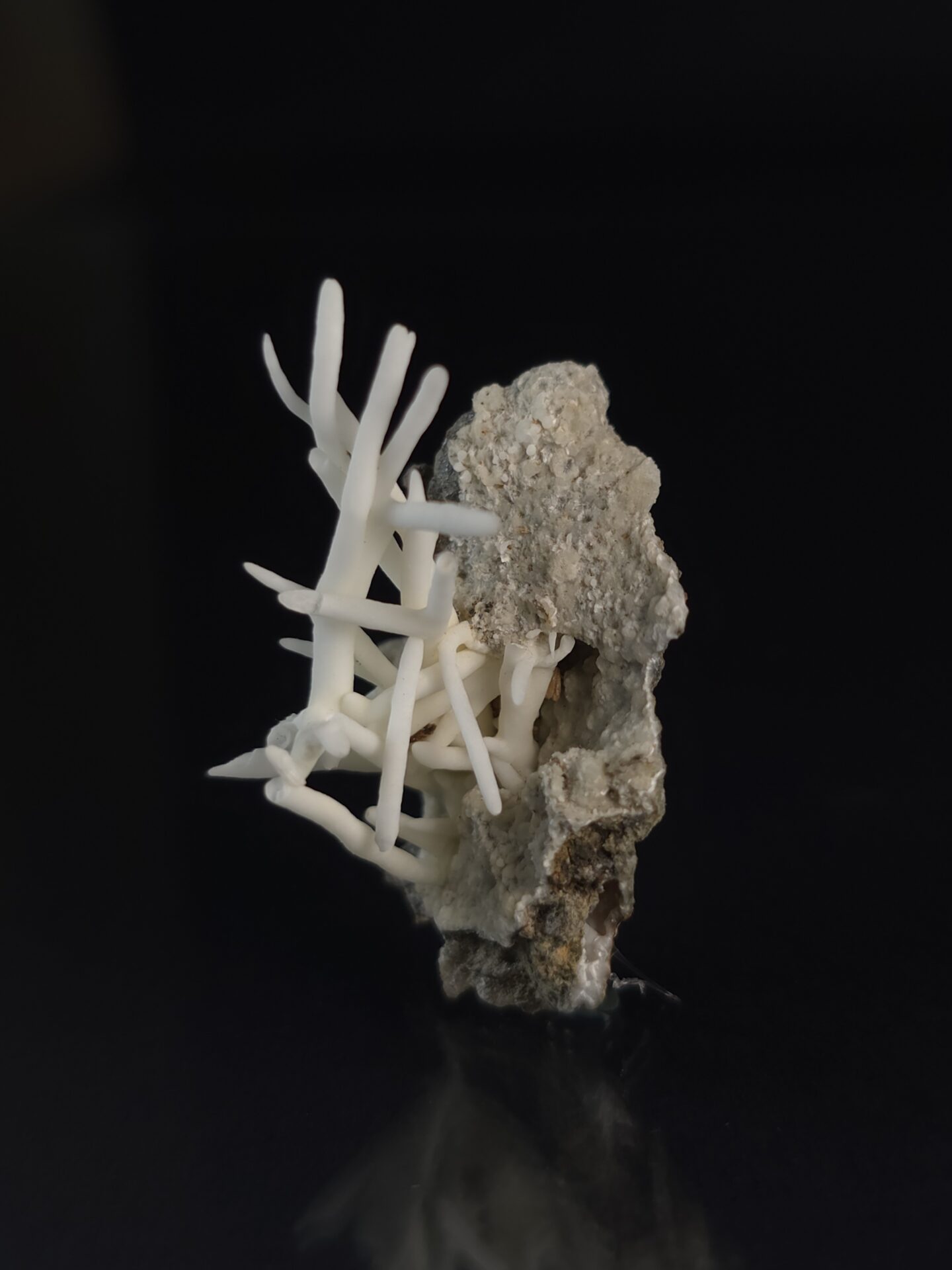
Incredible arrangement of the “flos ferri” aragonite on top of a piece of matrix
CA06
Calcite
Beez quarry, Namur, Wallonia, Belgium
Clean calcite with an interesting shape on top of a well-balanced and contasting marcasite matrix.
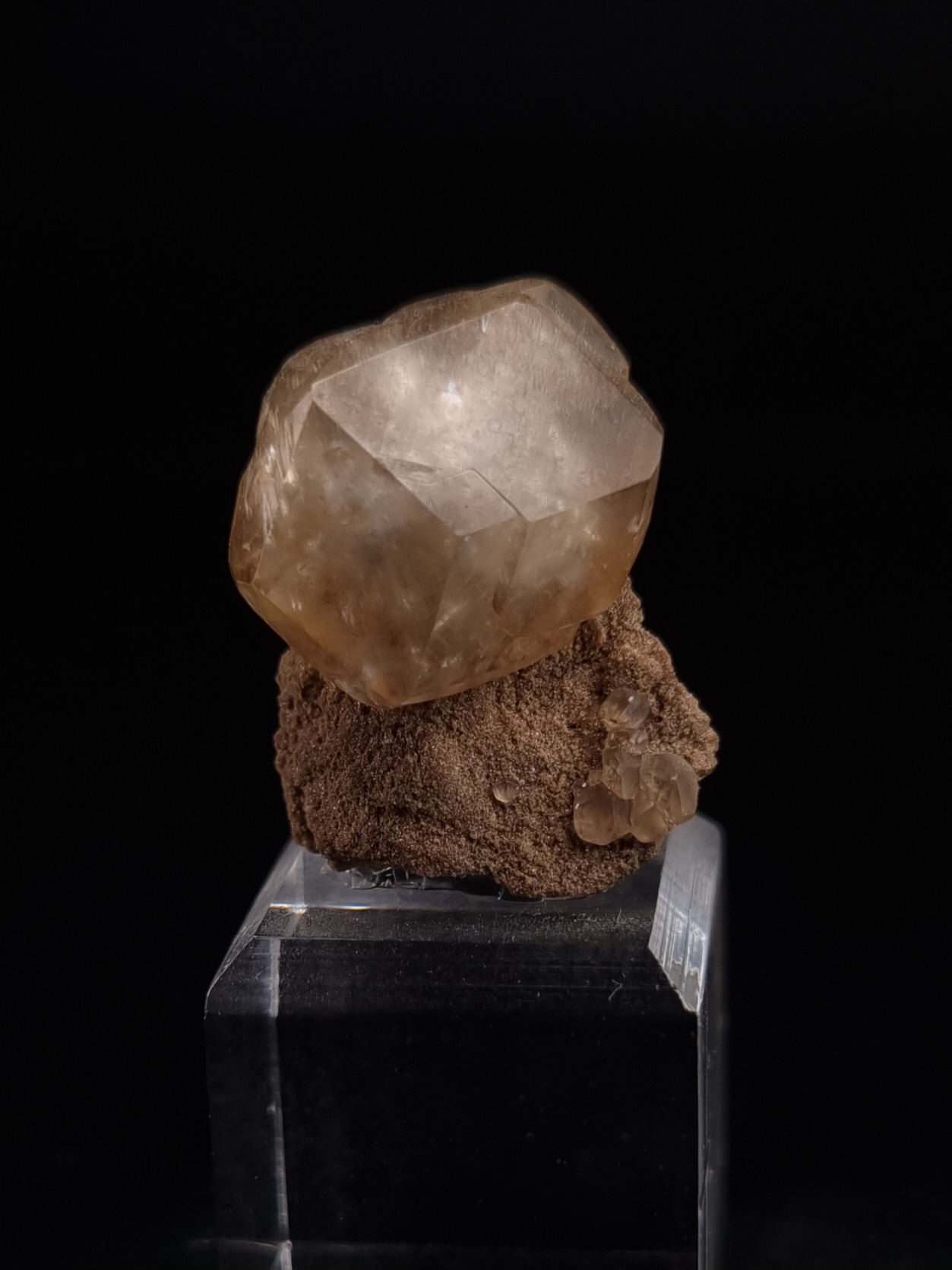
CA07
Calcite
La Sambre quarry, Landelies, Hainaut, Wallonia, Belgium
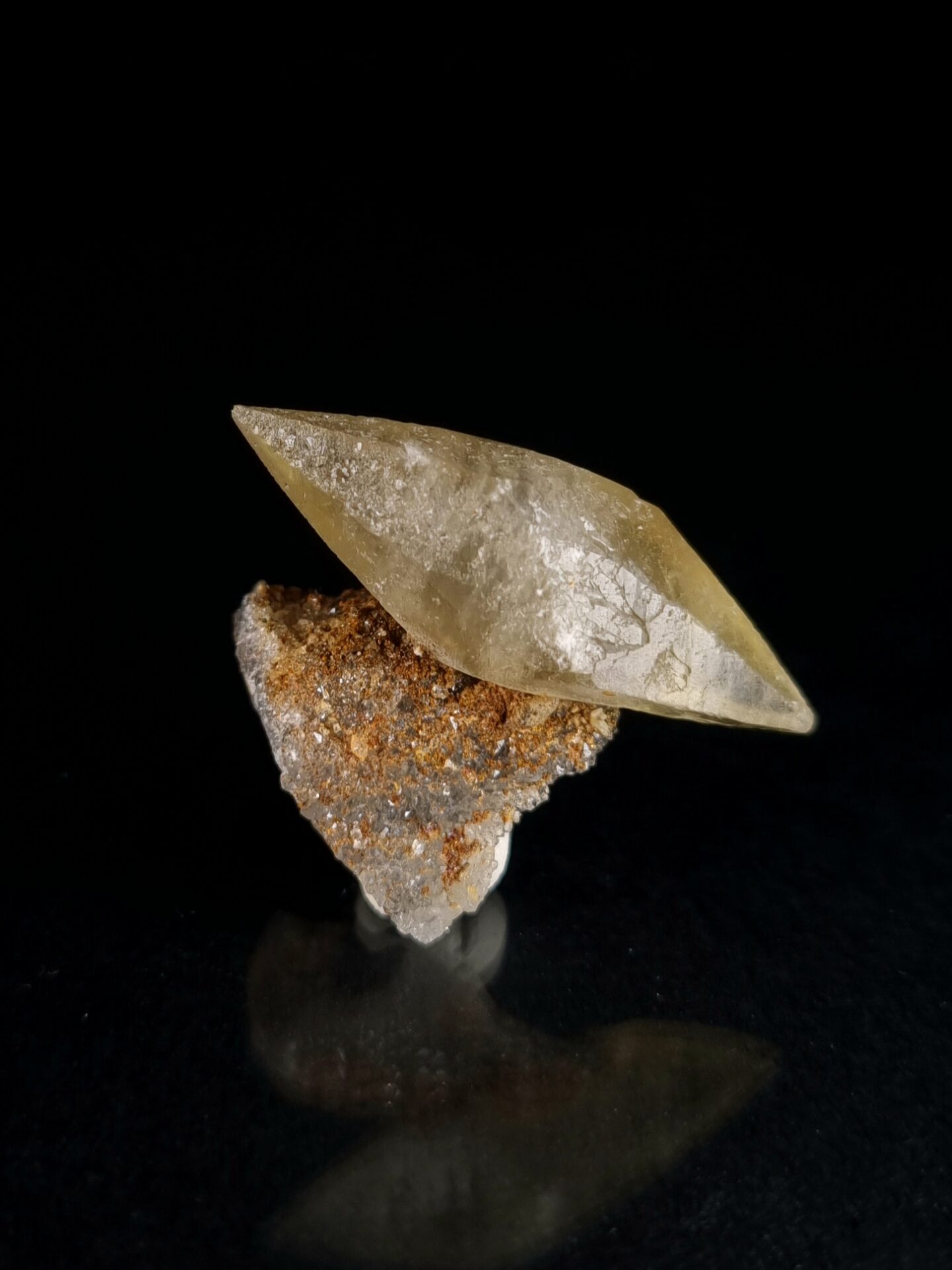
Cogniac-colored crystal of calcite on a chunk of matrix from the famous Belgian quarry, perfectly placed and balanced.
CA08
Aragonite
Azcárate Quarry, Eugui, Esteríbar, Navarre, Spain
Crown-like specimen of sharp aragonite crystals evenly dispersed throughout, creating a lustrous and interesting specimen.
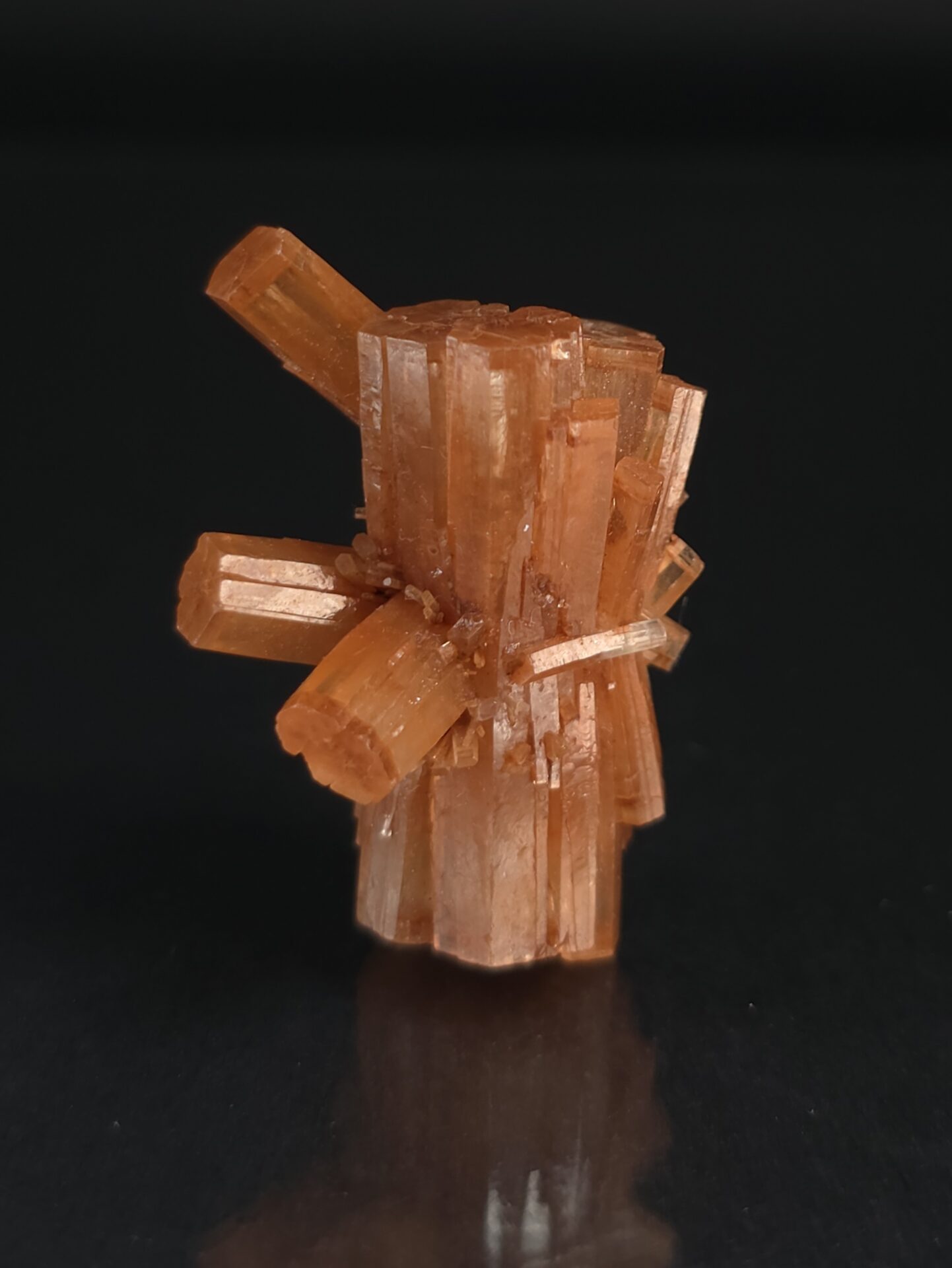
Multiple barrel-like crystals of lustrous aragonite from this common locality with uncommon beauty.
CA10
Calcite
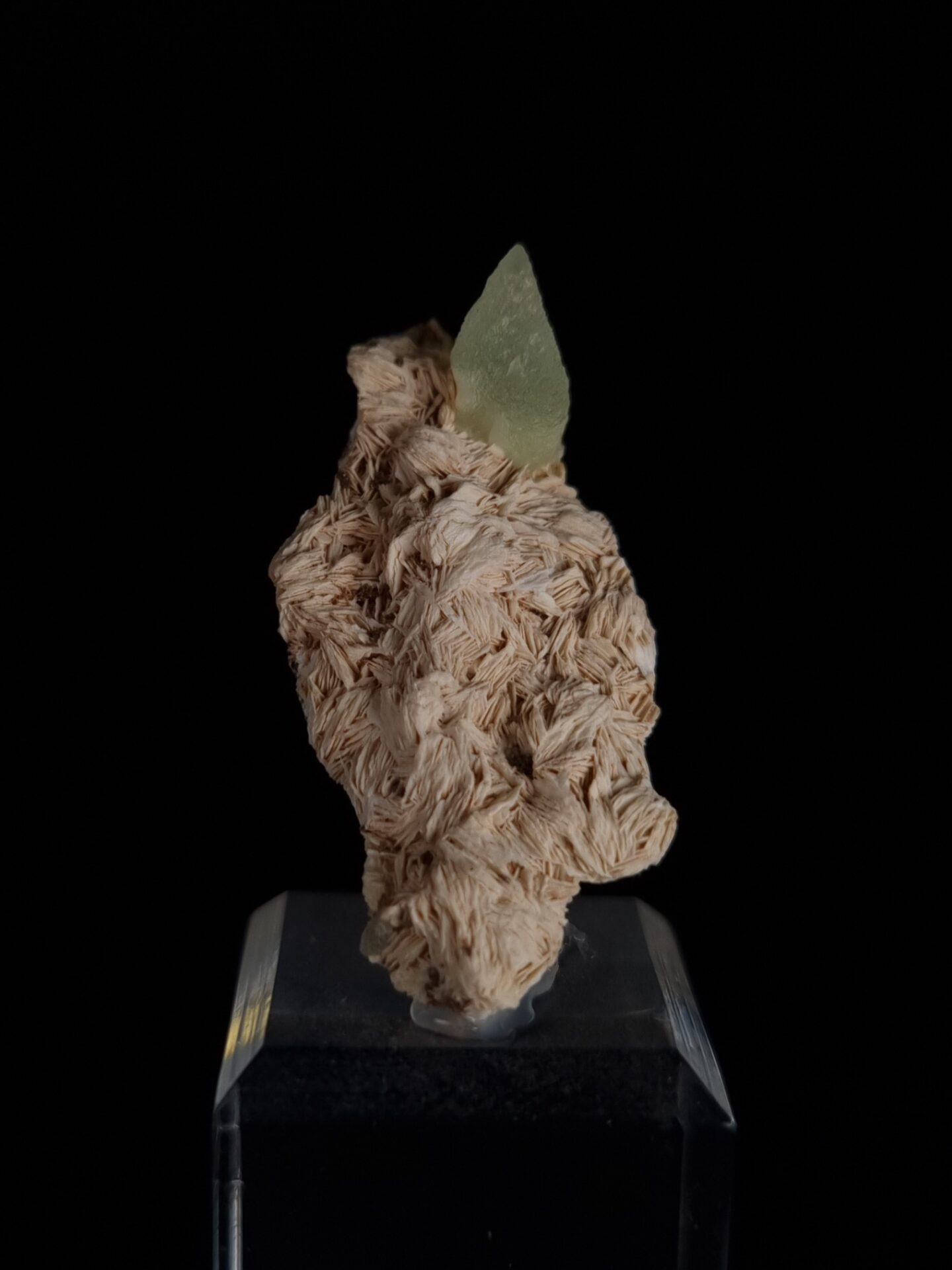
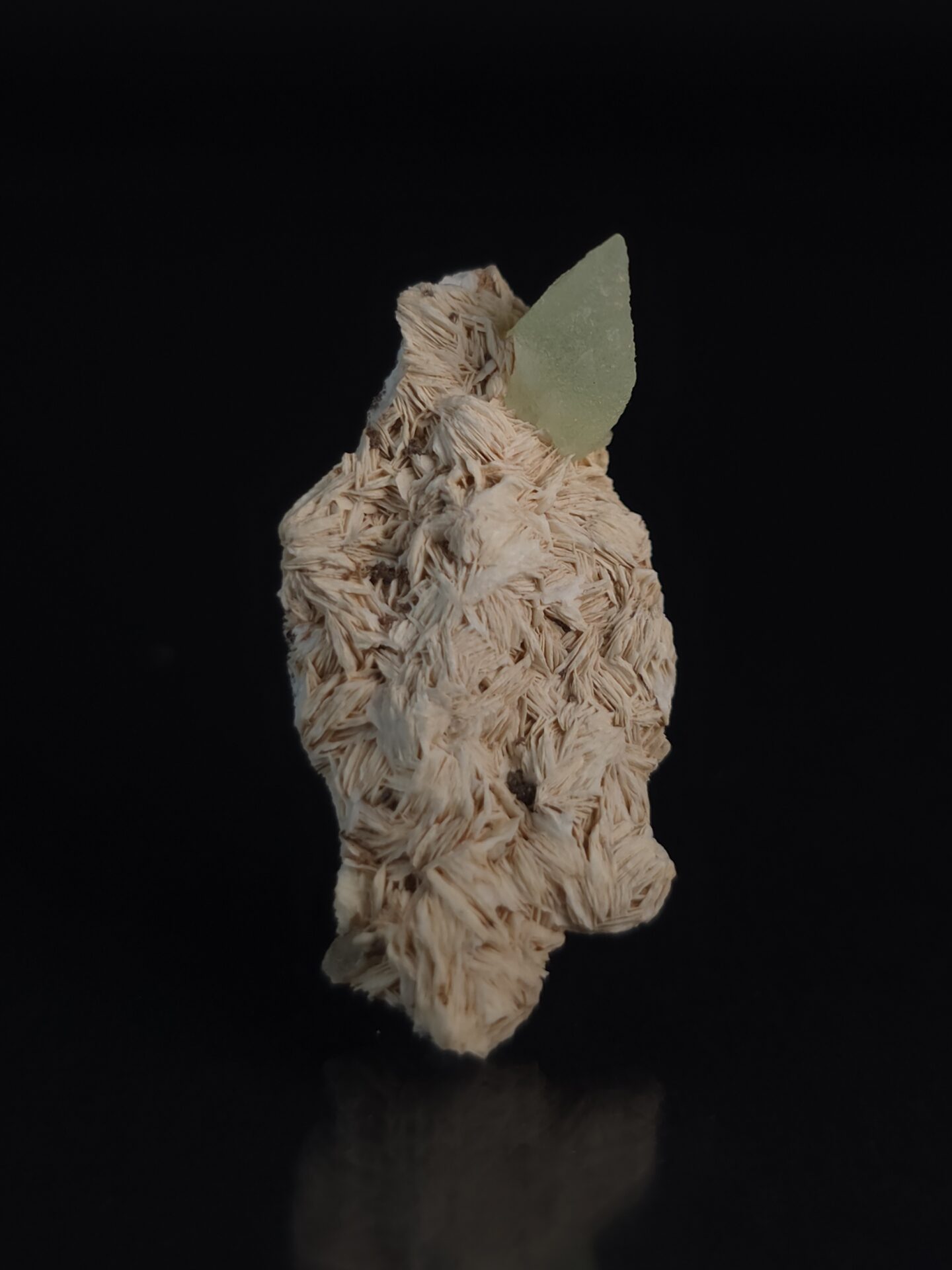
Circle Cliffs, Garfield County, Utah, USA
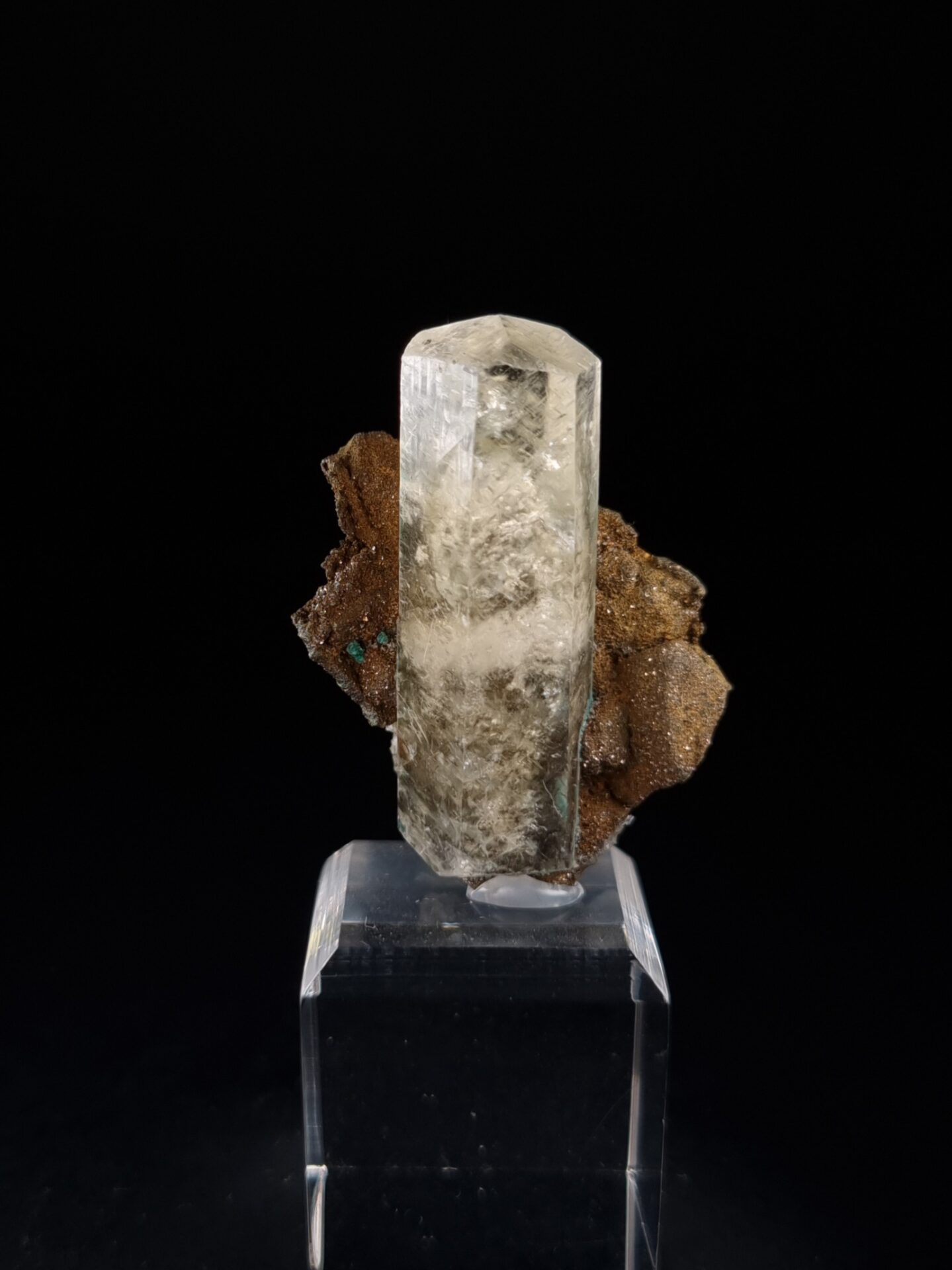
The so called “kiwi” calcite. Calcite rich with vanadium on top of an amazing baryte matrix. Calcites like this were usually found on top of petrified wood.
CA11
Calcite
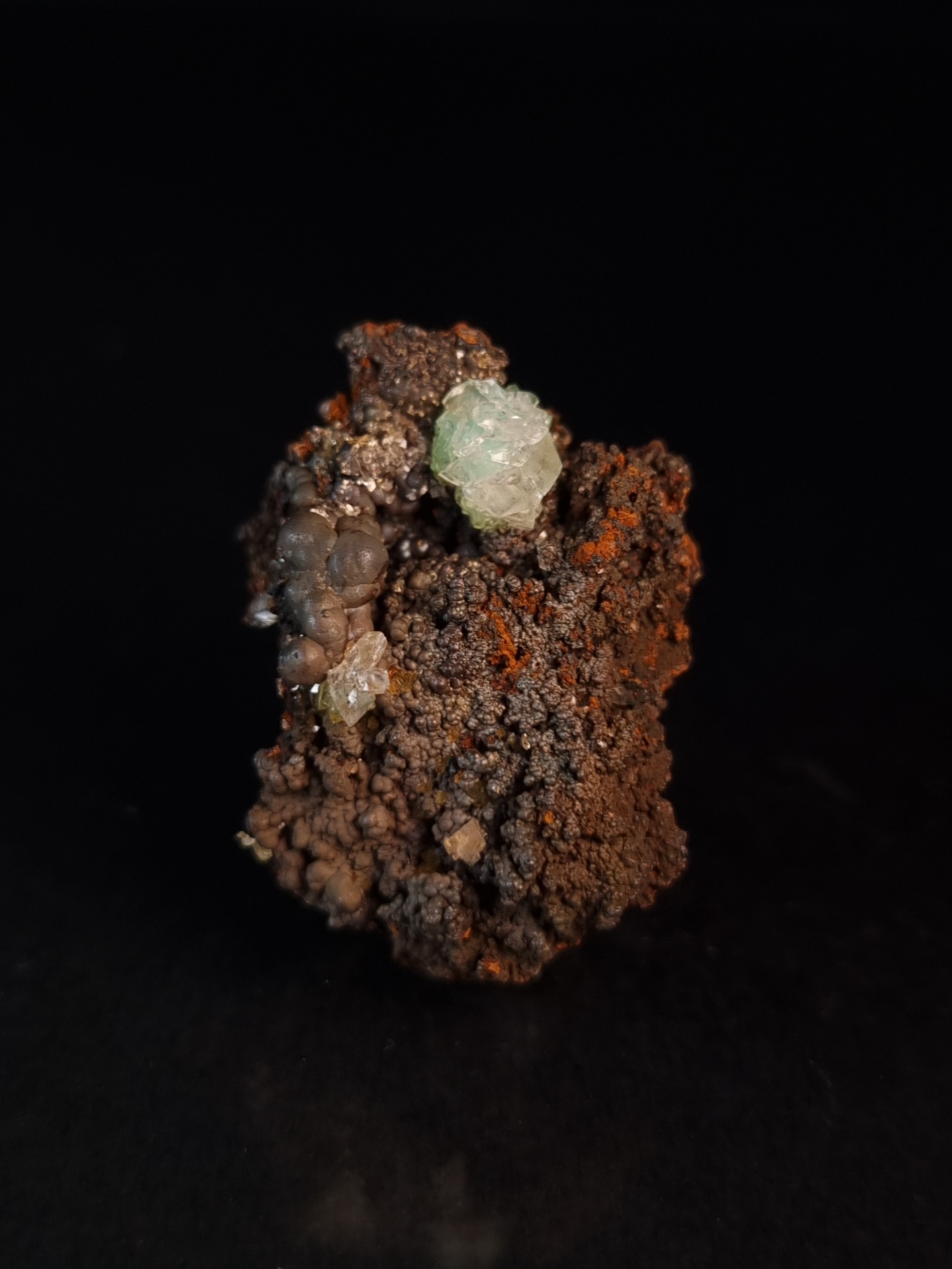
Ojuela Mine, Mapimi, Durango, Mexico
Malachite packed crystals of calcite on top of some limonite contrasting matrix.
CA12
Calcite
La Viesca Mine, La Collada, Pola de Siero, Asturias, Spain
For people that aren’t calcite lowers – just a calcite crystal on top of some matrix. For us, a bit more. Especially the part where the crystal “overflows” the matrix.
CA13
Aragonite
Dosso dei Cristalli, Mt. Motta, Lanzada, Lombardy, Italy
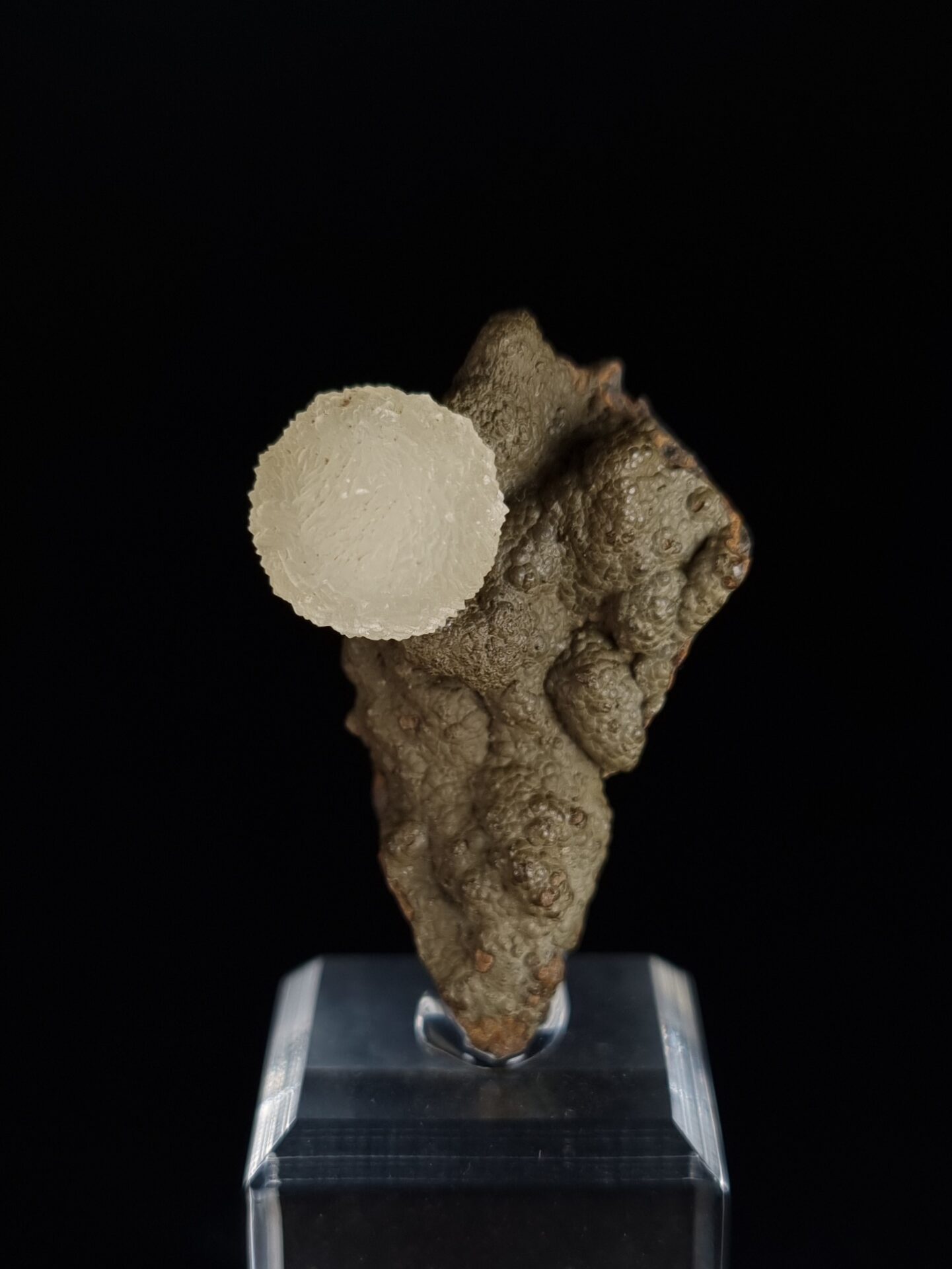
Acicular crystals of two cream-colored aragonite spheres on top of serpentine matrix.
CA14
Calcite
Wasseruberleitungstollen, Rotgulden, Salzburg, Austria
A clean crystal of calcite placed on top of some dolomite crystals covered with black manganite. Specimen was collected in what’s today a tunnel.
CA15
Calcite
Pugh Quarry, Weston, Wood County, Ohio, USA
Sharp and complete doubly-terminated calcite crystal on top of a chunk of matrix from this famous US locality.
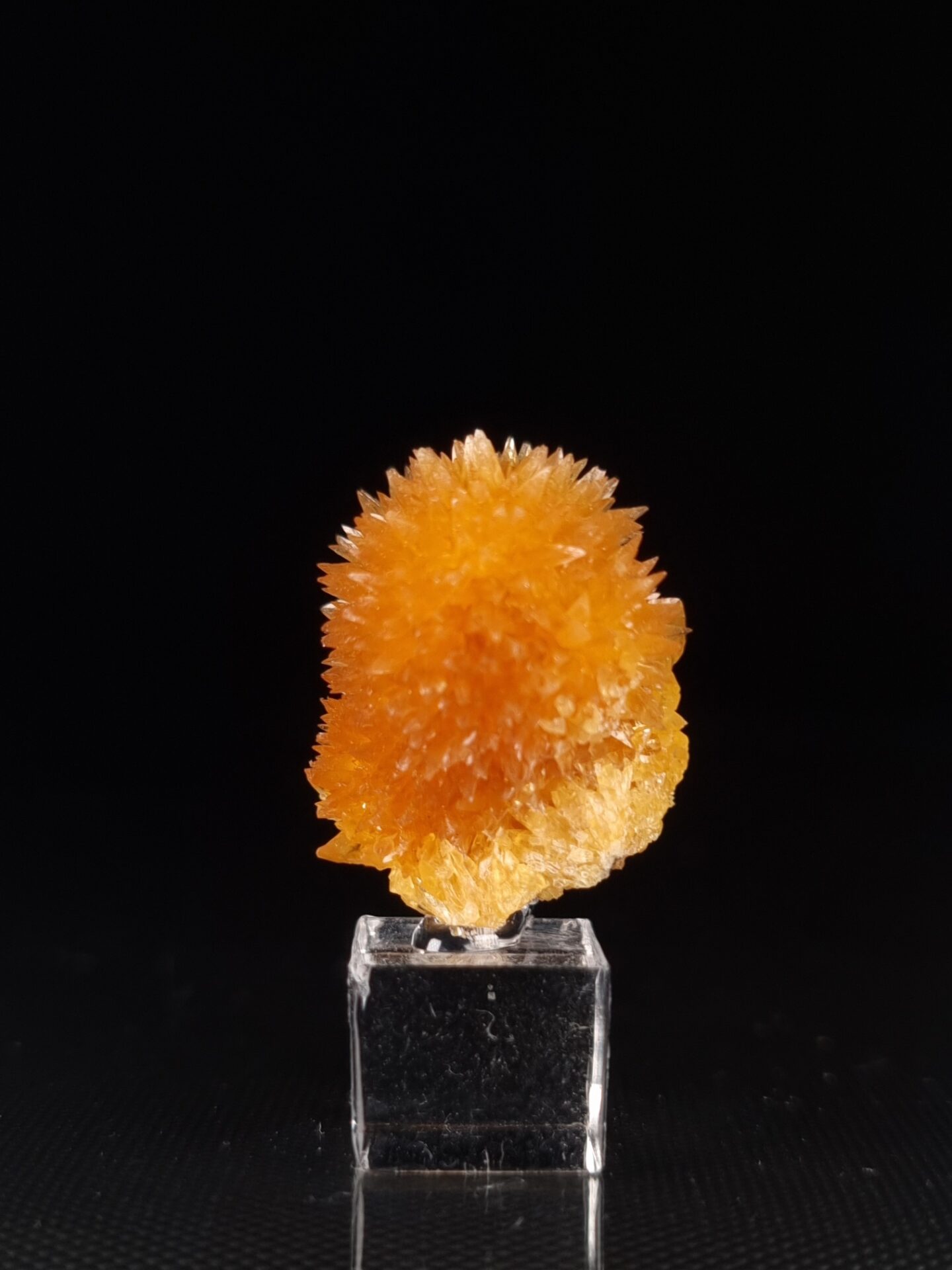
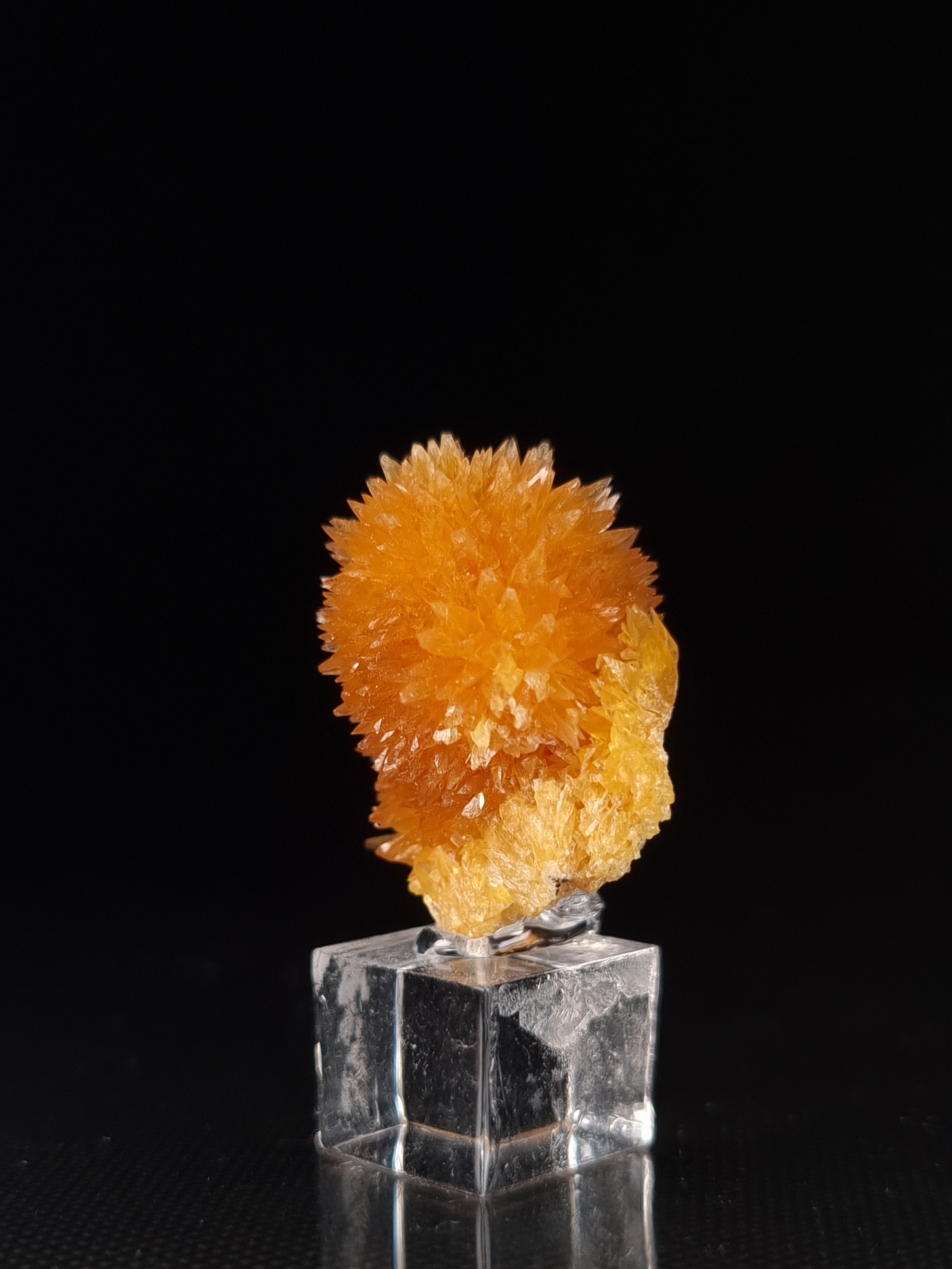
CA16
Aragonite
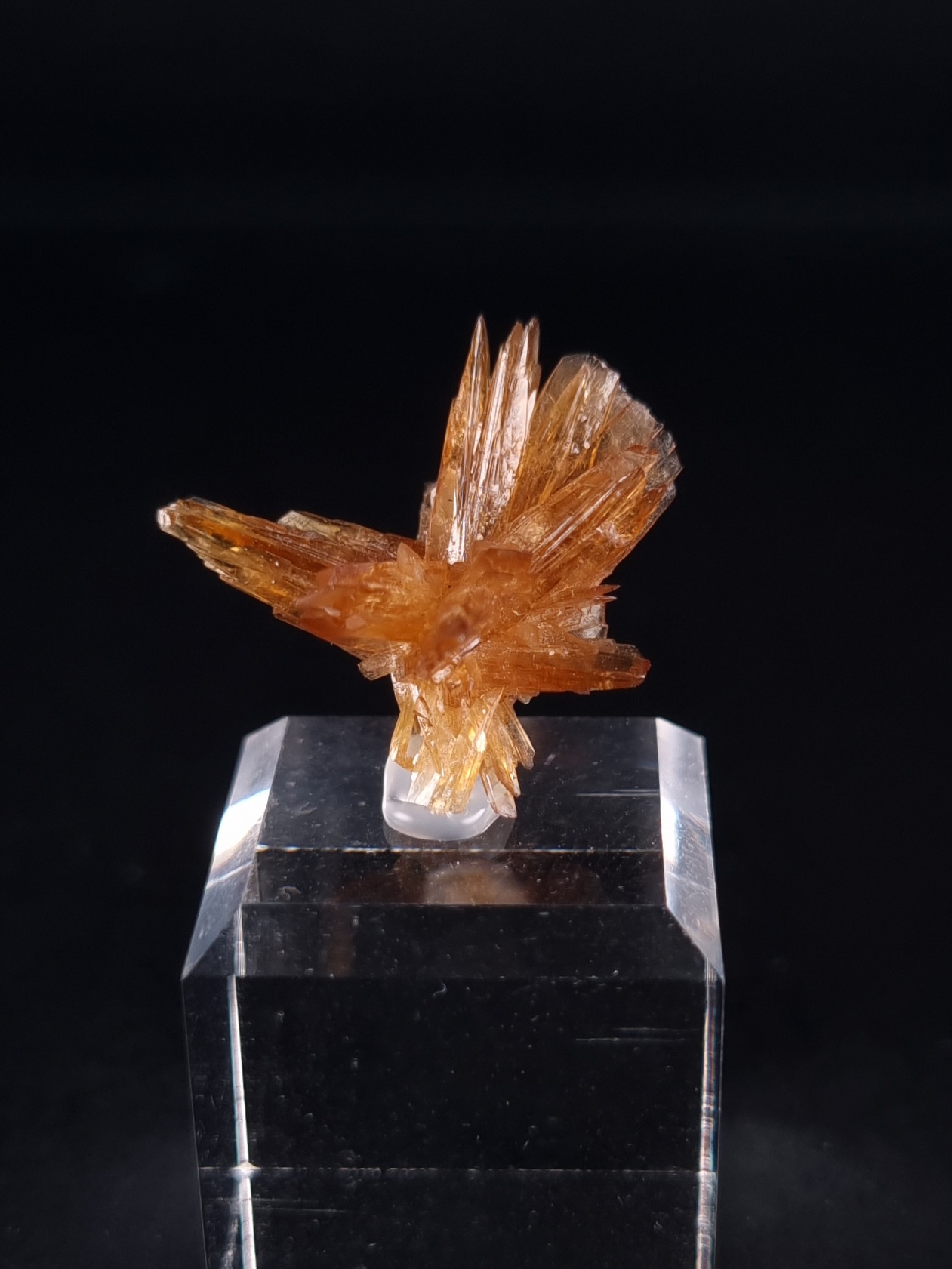
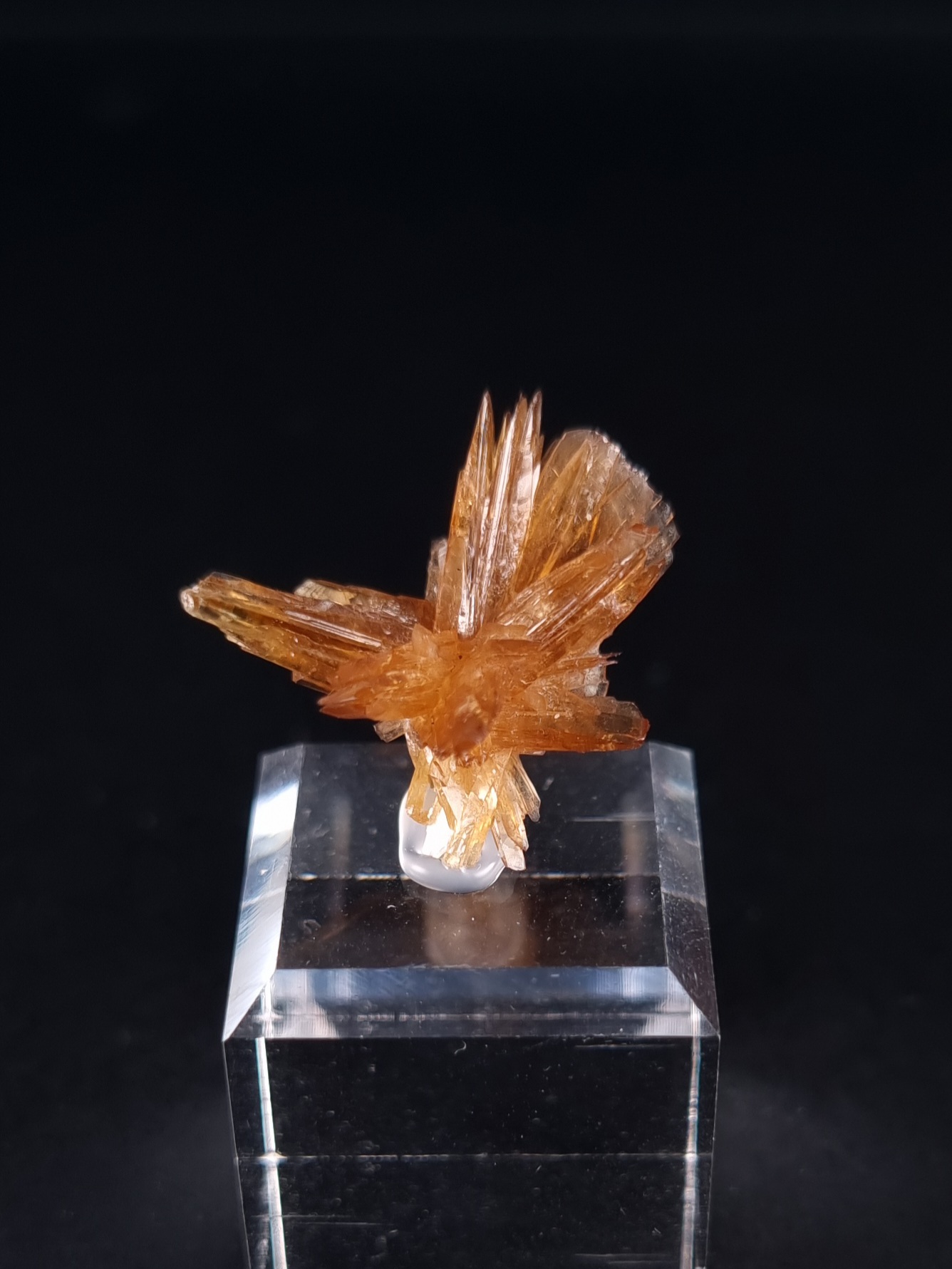
Azcárate Quarry, Eugui, Esteríbar, Navarre, Spain
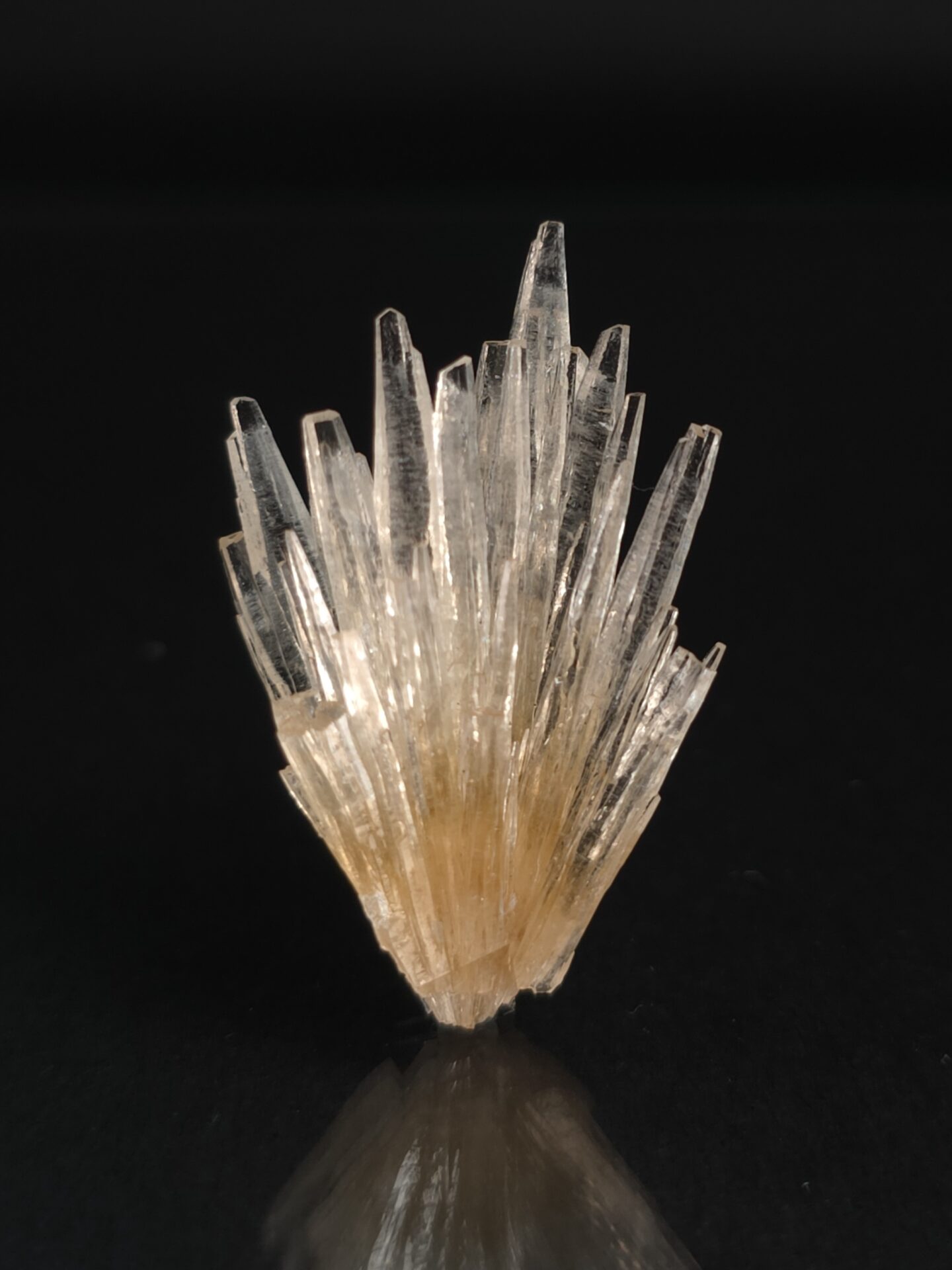
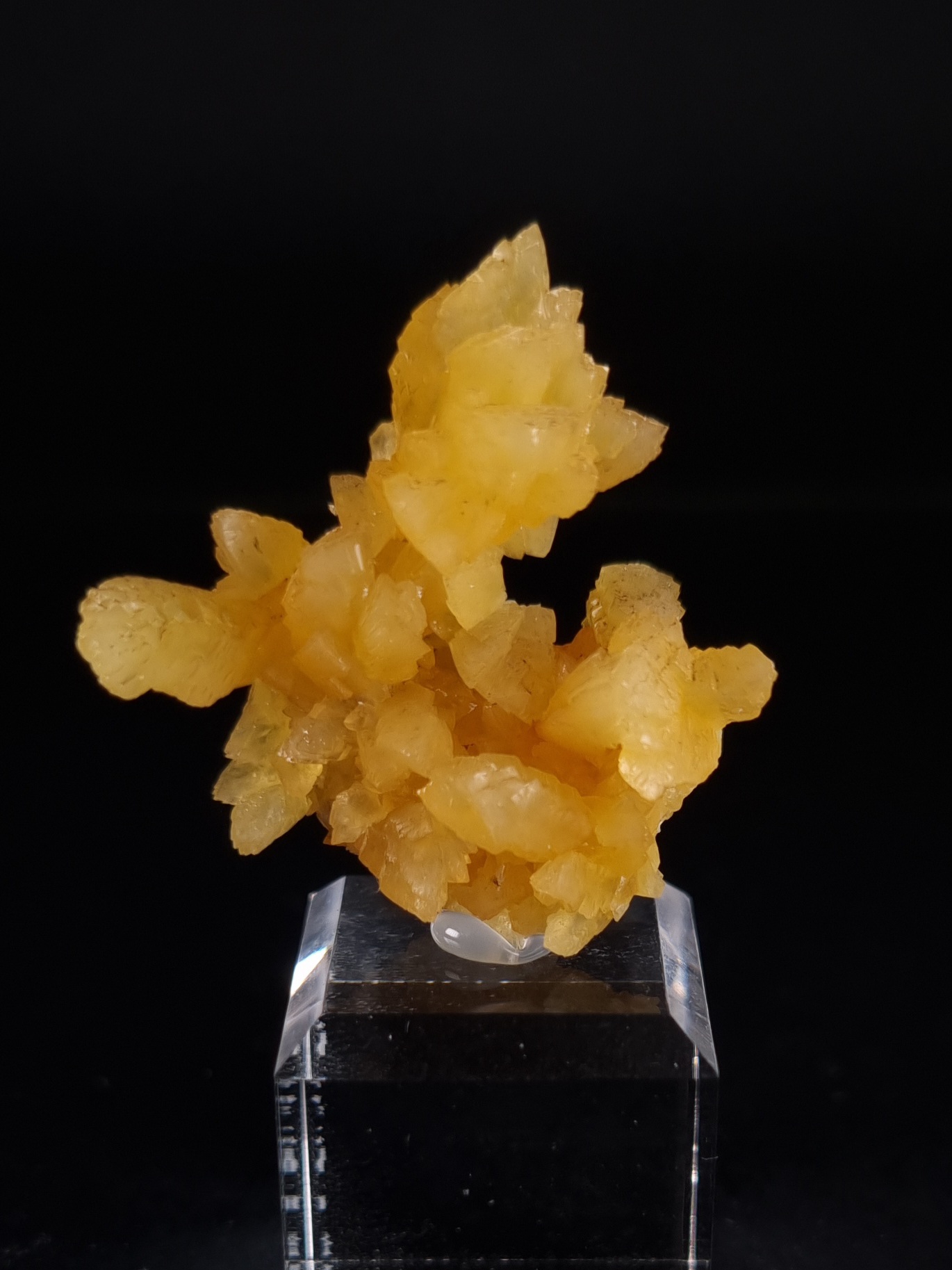
A few “wings” of orange/golden colored aragonite crystals. They can be so fragile, but always make sure to amaze you and that you enjoy them.
CA17
Calcite
Dead Indian Hill, Park County, Wyoming, USA
A simple, yet super sharp and clean twin of calcite. Besides the classic single crystal on matrix look I go for, this provides me joy and happiness.
CA18
Calcite
China
Multi-colored calcite spheres in a basalt vug creating a very interesting appearance.
CA19
Calcite
Belgium
Sharp doubly-terminated and bi-colored crystal of calcite with amazing crystal surface on a chunk of dolomite matrix.
CA20
Calcite
Copper Rivet mine, Mesa Co., Colorado, USA
Amazing sharp twin of calcite on matrix accompanied with bright green malachite creating a wonderful combination and example for this mine.
Sun-like calcite crystals on top of siderite matrix found in the 80s. The complexity and quality of this specimen do impress. One of my favorite specimens in the suite.
CA22
Calcite
Brixlegg, Kufstein District, Tyrol, Austria
Calcite scalenohedrons on matrix covered with azurite, making an appealing appearance from an interesting locality.
Very interesting set of calcite crystals on top of some matrix (sphalerite to be found on it) with interesting white terminations.
CA24
Calcite
La Florida, Cantabria Region, Spain
Lustrous “disco ball” of calcite with perfectly formed faces on top of a chunk of dolomite matrix makes this specimen stand out.
CA25
Calcite
Linwood Mine, Scott County, Iowa, USA
Complete and nicely perched crystal of calcite on top of some matrix covered in marcasite from the Linwood mine.
CA26
Calcite
Basaltbruch, Weitendorf, Styria, Austria
Complete sphere of calcite with detailed placement on top of a not-less attractive matrix of basalt creating a well arranged and contrasting specimen.
CA27
Calcite
Magma mine, Superior, Pinal County, Arizona, USA
Multiple crystals of whitish calcite with characteristic look from this mine on an ideally sized piece of matrix. An absolute beauty for this famous locality.
CA28
Calcite
Stoneco Auglaize Quarry, Junction, Paulding, Ohio, USA
Sharp crystal with a visible white-ish phantom on top of a small piece of matrix. This specimen was gifter to me by my friend.
CA29
Calcite
Thomasville, York County, Pennsylvania, USA
Nice twin of calcite from Thomasville on top of a really small piece of matrix (dolomite) purchased by a friend at the Tucson show.
CA30
Calcite
Poland
A wonderful druzy of “spiky” scalenohedrons of bright orange calcite on top of a chunk of matrix from the famous Polish mine.
CA31
Calcite
9th Horizont, Stari Trg, Trepča mines, Kosovo, Serbia
Calcite “worms” in association with golden and silver pyrite creating a well balance specimen from the famous mining area.
CA32
Calcite
Berry Materials Quarry, North Vernon, Jennings, Indiana, USA
Sharp crystal of light-golden calcite on top of some matrix. This specimen was gifted to me by a friend.
CA33
Calcite
Sauberg Mine, Erzgebirge, Saxony, Germany
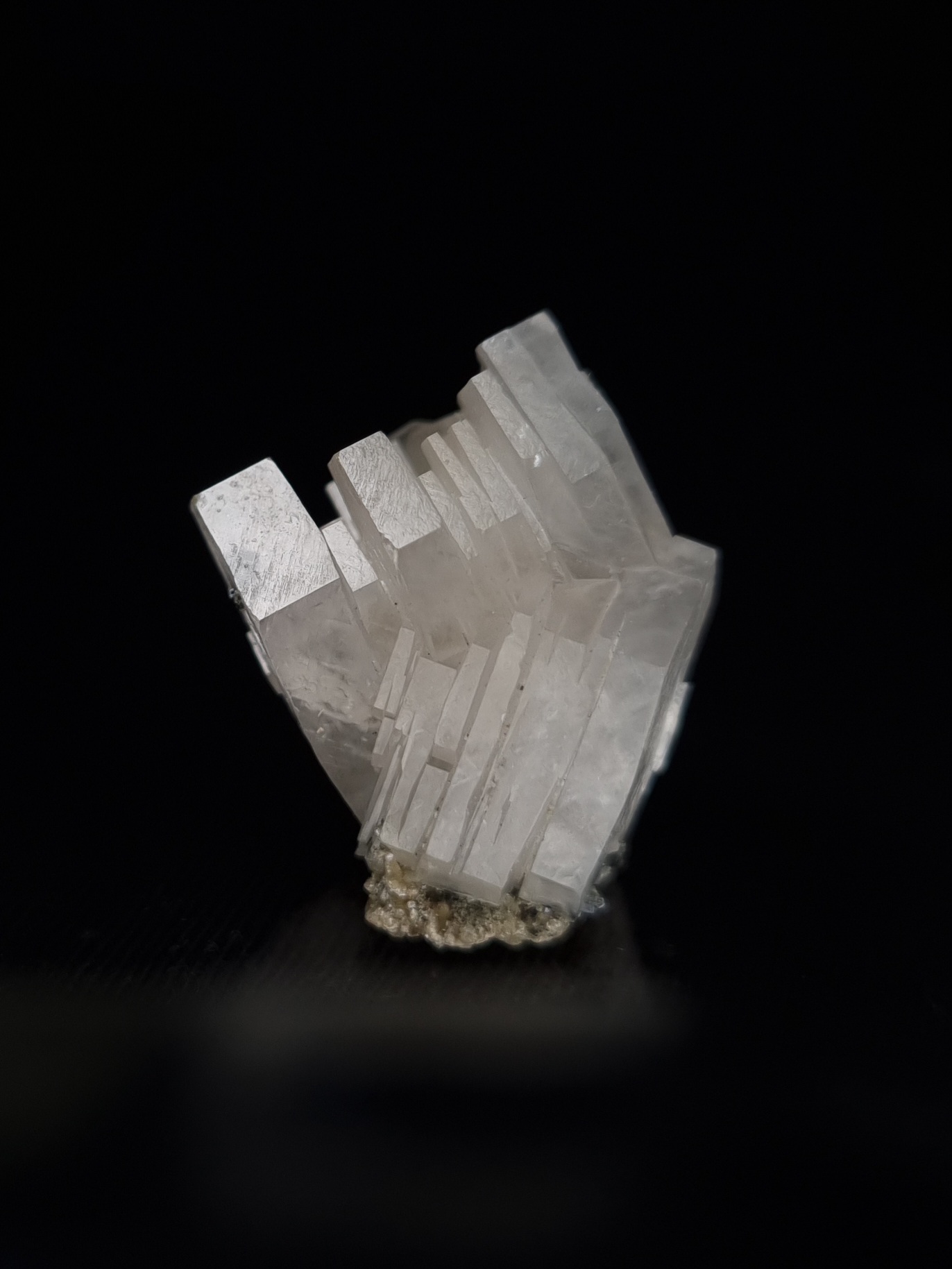
Well-formed, tabular calcite crystals up to 1.8 cm in size form this attractive stacked crystals group that looks like a small sculpture.
CA34
Calcite
Ojuela Mine, Mapimi, Durango, Mexico
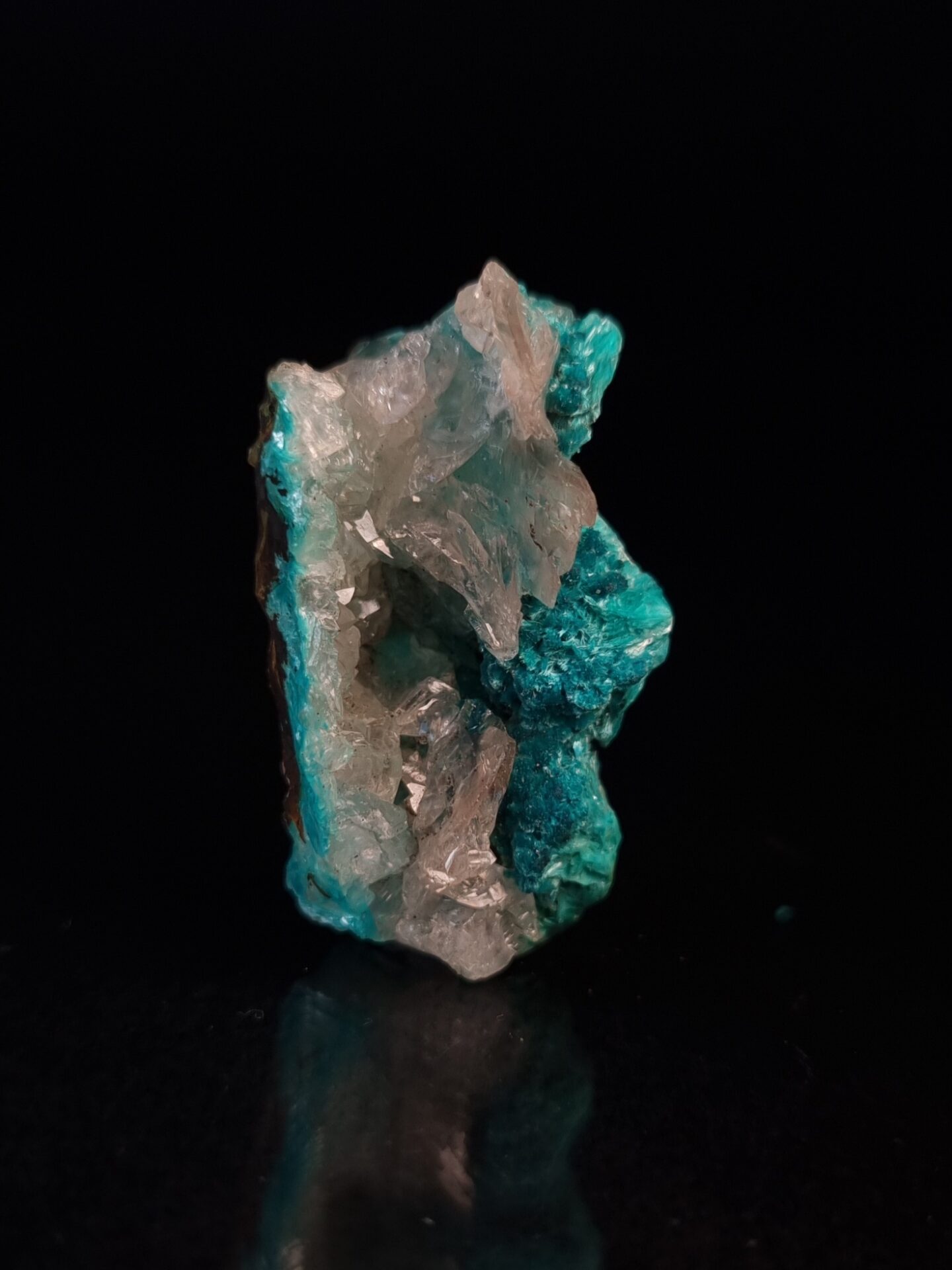
Clear and flat crystals of calcite on top of some vibrant blue aurichalcite from the Ojuela mine. A nicely colored addition to the case.
CA35
Calcite
Austria
Clear and flat crystals of calcite on top of some vibrant blue aurichalcite from the Ojuela mine. A nicely colored addition to the case.
CA36
Calcite
Forchtenstein, Burgenland, Austria
Clear and flat crystals of calcite on top of some vibrant blue aurichalcite from the Ojuela mine. A nicely colored addition to the case.
CA37
Calcite
Sweetwater Mine, Ellington, Reynolds County, Missouri, USA
A flawless, bit elongated crystal on top of a matrix of pyrite psm calcite and some minor malachite over the matrix.
CA38
Calcite
Italy
Well-formed, tabular calcite crystals up to 1.8 cm in size form this attractive stacked crystals group that looks like a small sculpture.
CA39
Calcite
Verkhnii Mine, Dal'negorsk, Primorskiy Kray, Russia
Arrow-like calcite crystal scepter creating for an amazing appearance. Lustrous, nice crystal surface and arrangement.
CA40
Calcite
USA
Very interesting specimen of calcite included with celadonite. An absolute classic from this Brazilian locality. The celadonite phantom is super special.
CA41
Calcite
Elmwood mine
A flawless, bit elongated crystal on top of a matrix of pyrite psm calcite and some minor malachite over the matrix.
CA42
Calcite
Landelies
Well-formed, tabular calcite crystals up to 1.8 cm in size form this attractive stacked crystals group that looks like a small sculpture.
CA43
Calcite
Aragonite
Clear and flat crystals of calcite on top of some vibrant blue aurichalcite from the Ojuela mine. A nicely colored addition to the case.
CA44
Calcite
Belgium
Very interesting specimen of calcite included with celadonite. An absolute classic from this Brazilian locality. The celadonite phantom is super special.
CA45
Calcite
Charcas, San Luis Potosi, Mexico
Calcite specter with perfect termination that looks like a mushroom or a nail. Classic example from this Mexican locality.
CA46
Calcite
Sweetwater Mine, Ellington, Reynolds County, Missouri, USA
A flawless, bit elongated crystal on top of a matrix of pyrite psm calcite and some minor malachite over the matrix.
CA47
Calcite
Sauberg Mine, Erzgebirge, Saxony, Germany
Well-formed, tabular calcite crystals up to 1.8 cm in size form this attractive stacked crystals group that looks like a small sculpture.
CA48
Calcite
Ojuela Mine, Mapimi, Durango, Mexico
Clear and flat crystals of calcite on top of some vibrant blue aurichalcite from the Ojuela mine. A nicely colored addition to the case.
CA37
Calcite
Sweetwater Mine, Ellington, Reynolds County, Missouri, USA
A flawless, bit elongated crystal on top of a matrix of pyrite psm calcite and some minor malachite over the matrix.
CA38
Calcite
Sauberg Mine, Erzgebirge, Saxony, Germany
Well-formed, tabular calcite crystals up to 1.8 cm in size form this attractive stacked crystals group that looks like a small sculpture.
CA39
Calcite
Ojuela Mine, Mapimi, Durango, Mexico
Clear and flat crystals of calcite on top of some vibrant blue aurichalcite from the Ojuela mine. A nicely colored addition to the case.
CA40
Calcite
Irai, Rio Grande do Sul, Irai, Brazil
Very interesting specimen of calcite included with celadonite. An absolute classic from this Brazilian locality. The celadonite phantom is super special.
CA30
Calcite
Brixlegg, Kufstein District, Tyrol, Austria
Calcite scalenohedrons on matrix covered with azurite, making an appealing appearance from an interesting locality.
CA32
Manganoan calcite
NChwaning II Mine, Kuruman, Kalahari, South Africa
Ideal sphere of manganoan calcite placed on top of a matrix consisting of quartz and smoky quartz.
CA33
Calcite
China
Lustrous milky sharp crystal of calcite on top of some druzy quartz matrix with a slight lavender-like hue to it with an aesthetic arrangement.
CA34
Calcite
La Sambre quarry, Landelies, Hainaut, Wallonia, Belgium
Golden crystal of calcite on top of some dark matrix. The calcite crystal is covered with small pyrite crystals/dust.
CA35
Aragonite
China
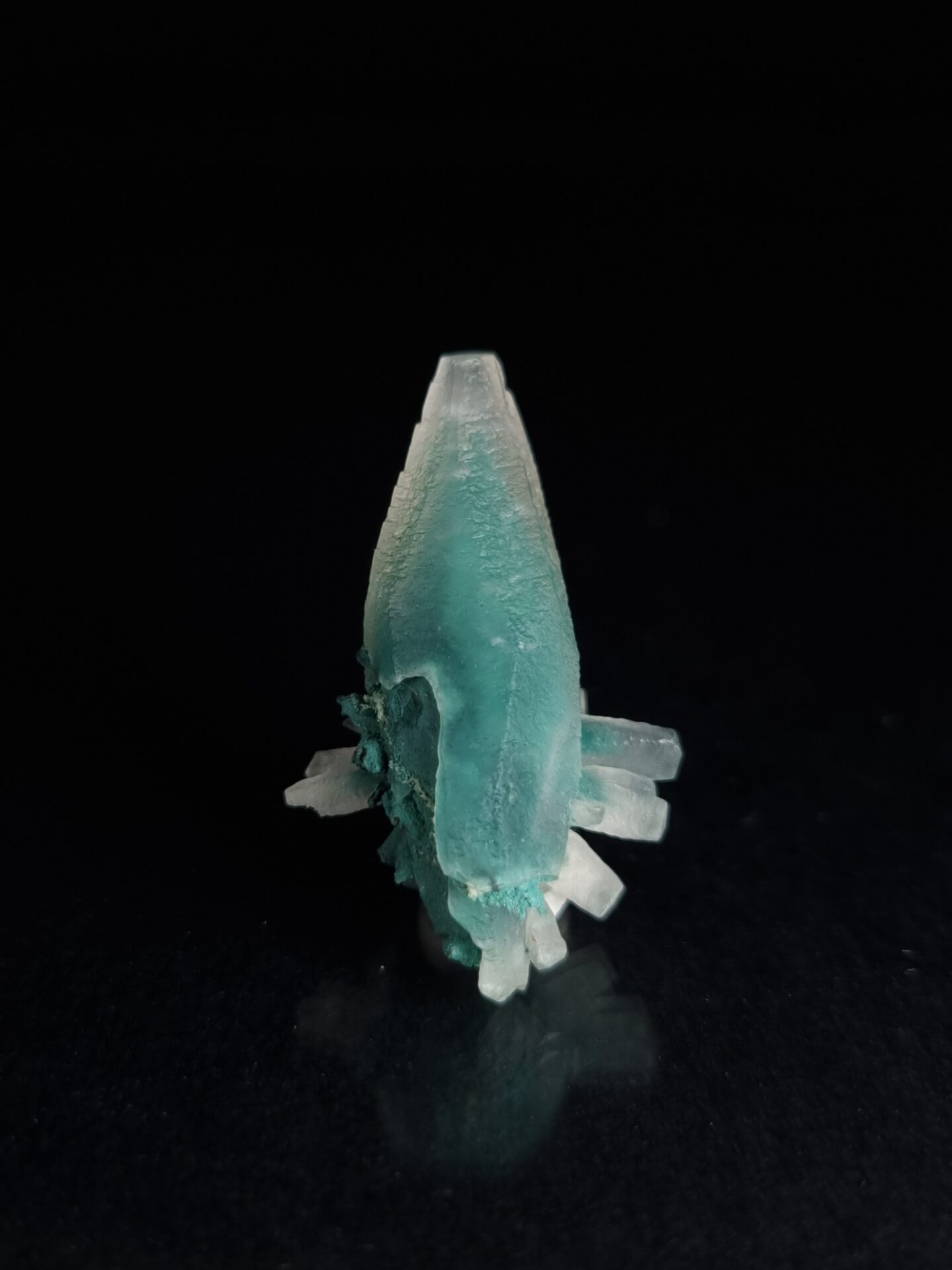
Blue aragonite
CA36
Calcite
Charcas, San Luis Potosi, Mexico
Calcite specter with perfect termination that looks like a mushroom or a nail. Classic example from this Mexican locality.
CA37
Calcite
Brixlegg, Kufstein District, Tyrol, Austria
Copper included calcite with a great color. Placed on top a small chunk of matrix. Classic locality, and was super hard to add to the collection.
CA38
Calcite
Borieva Mine, Madan, Smolyan, Bulgaria
An interesting crystal or two of very slightly pink manganoan calcite from this famous Bulgarian locality.
CA39
Calcite
Sweetwater Mine, Ellington, Reynolds County, Missouri, USA
Crystals of stibnite (antimonite) penetrating a calcite crystal with an amazing surface structure creating an aesthetic specimen from both sides.
CA40
Calcite
Black Rock, Lawrence County, Zinc Mining District, Arkansas
Well-formed, tabular calcite crystals up to 1.8 cm in size form this attractive stacked crystals group that looks like a small sculpture.
CA41
Calcite
Dal'negorsk, Primorskiy Kray, Russia
A calcite mushroom that can take your breath! This flawless calcite is perched on top of calcite matrix showing multiple generations of growth.
CA42
Calcite
Rattlesnake Butte, South Dakota, USA
Wonderful intergrown crystals of honey-colored calcite perched on matrix-like calcite aggregate with impressive luster.
CA43
Calcite
Ferguson Ranch, Elk Creek, Meade, South Dakota, USA
Crystals of stibnite (antimonite) penetrating a calcite crystal with an amazing surface structure creating an aesthetic specimen from both sides.
CA44
Calcite
Joplin Field, Jasper County, Missouri, USA
Well-formed, tabular calcite crystals up to 1.8 cm in size form this attractive stacked crystals group that looks like a small sculpture.
CA45
Calcite
Bellecroix, Fontainebleau, Seine-et-Marne, France
Interesting aggregate of calcite sand spheres from a well-known French locality. The specimen can be displayed from multiple angles.
CA46
Calcite
Casteel Mine, Iron County, Missouri, USA
Wonderful intergrown crystals of honey-colored calcite perched on matrix-like calcite aggregate with impressive luster.
CA47
Calcite
Xikuangshan Sb deposit, Loudi, Hunan, China
Crystals of stibnite (antimonite) penetrating a calcite crystal with an amazing surface structure creating an aesthetic specimen from both sides.
CA48
Calcite
Sauberg Mine, Erzgebirge, Saxony, Germany
Well-formed, tabular calcite crystals up to 1.8 cm in size form this attractive stacked crystals group that looks like a small sculpture.
CA49
Calcite
Quincy Mine, Houghton County, Michigan, USA
Copper included calcite with a great color. Placed on top a small chunk of matrix. Classic locality, and was super hard to add to the collection.
CA50
Calcite
Quarry of Candesa, Camargo, Cantabria Region, Spain
Wonderful intergrown crystals of honey-colored calcite perched on matrix-like calcite aggregate with impressive luster.
CA51
Calcite
Xikuangshan Sb deposit, Loudi, Hunan, China
Crystals of stibnite (antimonite) penetrating a calcite crystal with an amazing surface structure creating an aesthetic specimen from both sides.
CA52
Calcite
Sauberg Mine, Erzgebirge, Saxony, Germany
Well-formed, tabular calcite crystals up to 1.8 cm in size form this attractive stacked crystals group that looks like a small sculpture.
CA45
Calcite
Quincy Mine, Houghton County, Michigan, USA
Copper included calcite with a great color. Placed on top a small chunk of matrix. Classic locality, and was super hard to add to the collection.
CA46
Calcite
Quarry of Candesa, Camargo, Cantabria Region, Spain
Wonderful intergrown crystals of honey-colored calcite perched on matrix-like calcite aggregate with impressive luster.
CAXX
Calcite
Borieva Mine, Madan, Smolyan, Bulgaria
An interesting crystal or two of very slightly pink manganoan calcite from this famous Bulgarian locality.
CA47
Calcite
Xikuangshan Sb deposit, Loudi, Hunan, China
Crystals of stibnite (antimonite) penetrating a calcite crystal with an amazing surface structure creating an aesthetic specimen from both sides.
CA48
Calcite
Sauberg Mine, Erzgebirge, Saxony, Germany
Well-formed, tabular calcite crystals up to 1.8 cm in size form this attractive stacked crystals group that looks like a small sculpture.
More photos left to add to the subcollection/suite
40+ Specimens About to be photographed and added to this suite.
Soon!
Stay tuned for more amazing specimens.
Learn more about
Calcite
CaCO3
A very common and widespread mineral with highly variable forms and colours. Calcite is best recognized by its relatively low Mohs hardness (3) and its high reactivity with even weak acids, such as vinegar, plus its prominent rhombohedral cleavage in most varieties.
Information
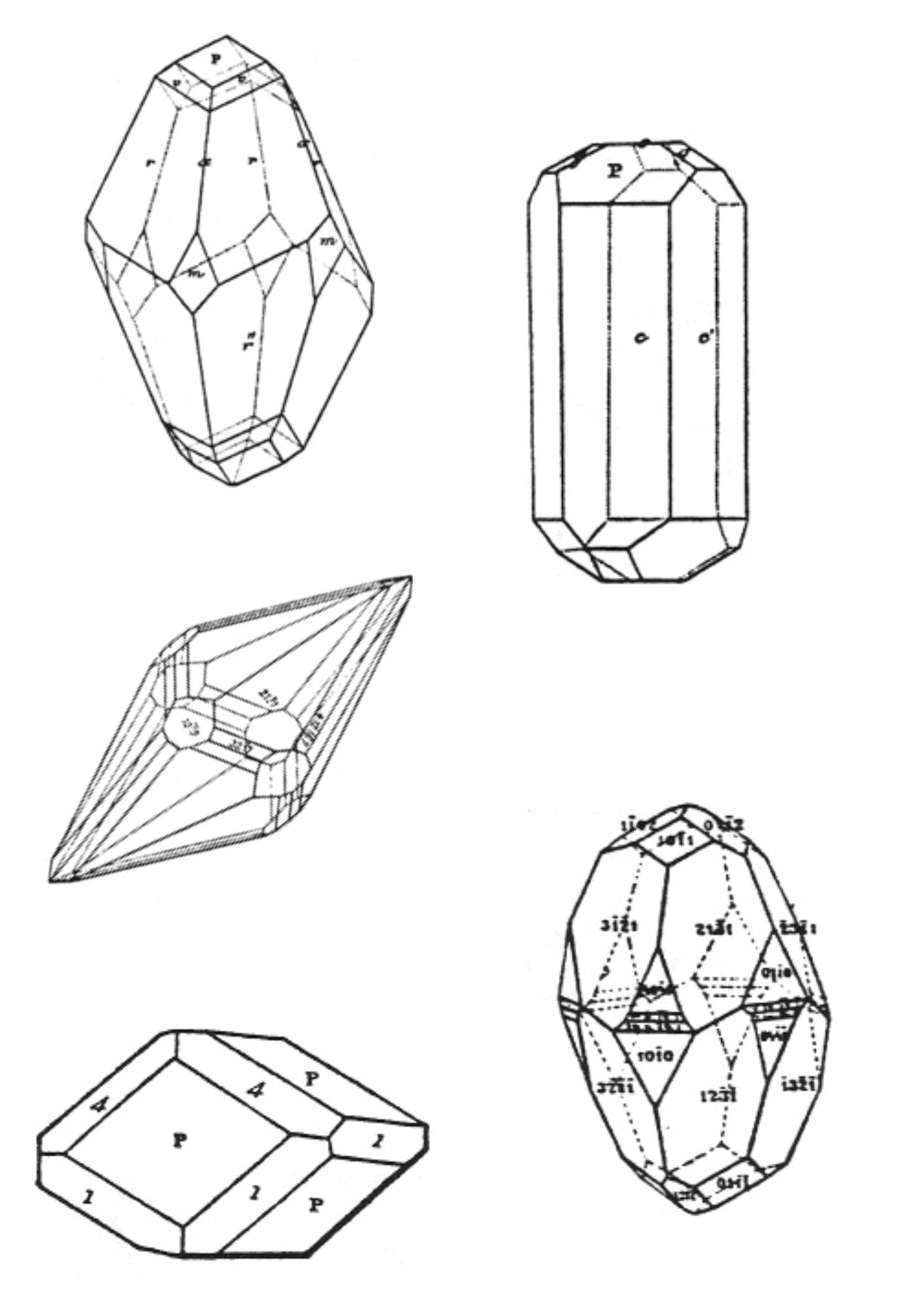
Over 800 different forms of calcite have been described. Most commonly as acute rhombohedrons or prismatic with scalenohedral terminations, or combinations of the two. At least four twin laws have been described, the most common being when the twin plane and the composition plane are {0112}.
The principal member of the Aragonite Group, aragonite is the second most common polymorph of natural calcium carbonate (the most common is calcite). It is significantly less widespread and abundant than calcite and is formed under a much narrower range of physiochemical conditions. It is metastable relative to calcite and often converts to calcite accompanying changes in the environment. It is nearly always a low-temperature, near surface mineral.
Text and illustration owned by mindat.org
Information
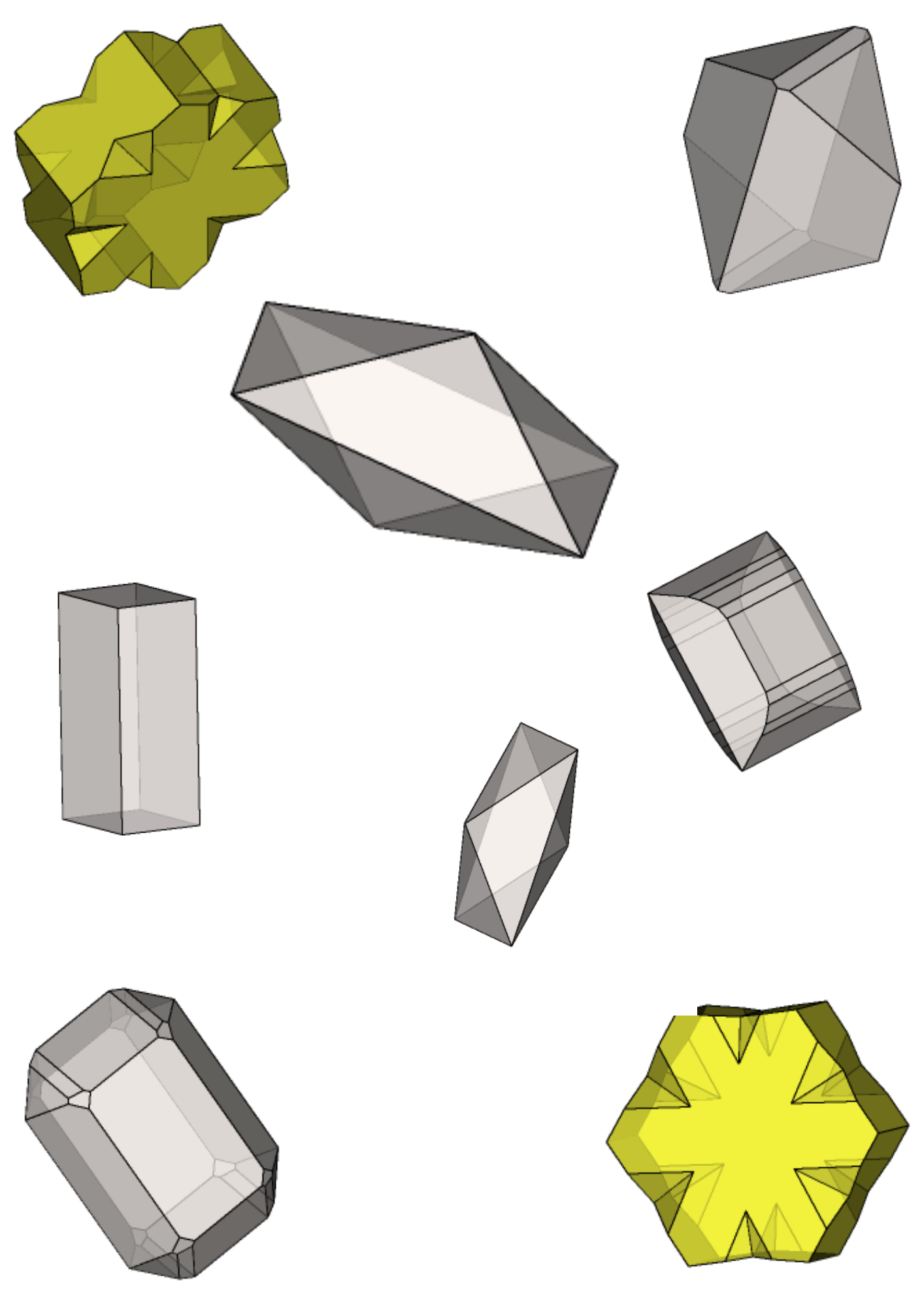
Short to long prismatic [100], sometimes flattened {010}; acicular, often with steep pyramidal or domed terminations; or tabular {001}; also stalactic, columnar, in stellate or radiating aggregates, and fibrous crusts of tiny acicular crystals. Single crystals are typically twinned cyclically on {110} producing pseudo-hexagonal aggregates of contact and penetration twins. Polysynthetic twinning produces lamellae or fine striations parallel to [100].
Lustre: Vitreous, Resinous
Transparency: Transparent, Translucent
Color:Colorless to white or grey, often stained various hues by impurities, such as blue, green, red or violet; colourless in transmitted light.
Streak: Uncolored/white
Hardness: 3½ – 4 on Mohs scale
Tenacity: Brittle
Cleavage: Distinct/Good On {010} distinct; On {110} and {011} very indistinct.
Over time, some specimens don’t fall into the focus of collecting anymore. That is when they are redirected to this page, and wait for adoption and someone that can appreciate them more.